NETWORK SECURITY SIMULATION

The term ‘Network Security’ denotes the core function of protecting the network, whether wired or wireless, prone to attack. We analysed that the network connected with the internet has the most possibility for the attack. The task or function of network security is constructed to secure a network or device’s incorporation from all types of attacks, especially external attacks. 

“An innovative tool of network simulation stands unique from the common simulation tools as it integrates the different traits based on the automated profiles like traffic analysis and attack generation.”

Network security combines both the technologies of software and hardware to protect the assigned network by identifying the difference among the network attack types that malicious attackers perform.

“In this article, we are discussed to see the necessary function of network security simulations, the various types and performance of simulation tools, and the importance of our exploration in the hopeful simulation platforms.”

Research Network Security Simulation Tools Guidance

What are network security threats?

            The main aim of cyber-attacks is to intrude the network or a system to gain access by using the vulnerabilities. The reason for this obscene behaviour is to steal sensitive data and to execute other attacks’ like preventing the user from logging in the system by locking the device’s screen to deny the system service. The attackers use such effective chances for the attackers for unauthorized access to the systems or properties.

What is simulation network security?

As the software of Network security elements deserves a vital role in the cybersecurity field, the network security simulators are also important as they are ‘great in identifying the intrusion and developing the overlapping security frameworks and analysing the network security. Our in-depth examination of the function of emulation/network security simulation tools and cyber-physical environment threats found that one simulation/emulation tool is not enough for effective performance. 

Thus, we suggest the inefficiency in handling the threat can be treated by combining a cyber-component tool with a power grid physical component, such as MATLAB, Omnet++, Emulab, and NS-2. But selecting the appropriate simulation platform still remains unpredictable.

Emerging Technologies Enabling Network Security

  • Smart Sensor networks
  • Edge computing
  • Fog computing
  • Ad Hoc Networks
  • IoT
  • CPPS (Cyber Physical Production Systems)
  • Smart factories
  • Industry 4.0

The attacks in network security are enormous in the case of external and internal. But on our investigation about the end goals of the attack, we categorized it on the basis of passive attacks and active attacks. 

Types of Network Security Attacks
  • Passive attacks includes
    • Analysis of traffic
    • Breach of data
  • Active attack includes
    • Message changes
    • Replay
    • Masquerade

The tenacity of the passive attacks is to compromise the security of the network packets by monitoring their behaviours on the sensitive data transmission. And the active attack aims to finish the functions of the network that their established base stations compromise.

How to defend against network attacks?

  • Authenticating hardware
  • Digital fingerprinting
  • Verifying digital signature
  • Intrusion detection using the algorithm by DL and ML
  • Access control based on Blockchain Technology
  • Lightweight encryption such as XTEA and TEA
  • Secure against physical layer attacks
  • Use of strong stream technique and distributed spectrum
  • Using encryption against eavesdropping
  • Mitigate spoofing, MITM by using authorized digital signature

Here we provide you the major types of attacks by categorizing them on the basis of their “attacking targets and their types.” The target of the attack differs according to the intentions of the hacker. But the threats caused by the attacks remain the same. The main objective of every hacker lies in stealing misusing the data to as we discussed previously. Here are the major targets and their attacking types. 

Types of Networking Attacks

  • Targeting Wireless Network
    • Availability attacks
    • Integrity attacks
    • Privacy attacks
  • Targeting LTE security
    • Modifying data and control plane
    • eNB attacks, UE USIM tracking, unauthorized access
  • Targeting Wireless communication
    • Mitigation and packet implantation
    • Desynchronizing attack
    • Eavesdropping
    • Identity forgery
  • Targeting Heterogeneous Network
    • False base station attack, SNID eavesdropping
    • Unprotected SNID
    • Unprotected authentication vectors between ME and HSS
  • Targeting Cellular Networks
    • Malicious activities of subscriber
    • Unprotected authentication vector EPS-AKA
  • Targeting WLAN-LTE
    • External attacks with cooperative malicious relay or device
    • External attacks without cooperation
    • Internal attacks

The above targets included the action of the attackers on their targeted networks, respectively. Other than the mentioned targets, we provide you some other major networking targets used by the attackers.

Networking Targets by Attackers

  • Core network attacks that include eNB attacks based on location
  • eNB protocol attacks
  • Physical attacks compromising eNB credentials
  • Unauthorized access network threat
  • Threats manipulating data of control plane
  • DoS related threats
  • Broadcast or multicast signaling related threats
  • Base station and handover related threats
  • UE/USIM tracking threats
  • User identity and privacy related threats

According to the topology, network structure, and type, the security attack will differ. For example, the latest Software Defined Network (SDN) will behave differently when it reacts to malicious attacks. The framework of SDN undergoes many security attacks, as reported by the security analysis. We provide you a detailed description of SDN security below,

  • DoS (switching the table flow flooding with controller-switch communication)
  • Configuration issues (lacking in adoption policy implementation or TLS)
  • Malicious Applications (implanting scam rule for hijacking controller)
  • Data modification (modifying the flow rule to redirect the packets)
  • Data leakage (discovering the flow rule and forwarding policy)
  • Unauthorized access (unauthenticated controller or application access)
Top 7 Potential Threats in SDN
  • Administrative stations vulnerability attacks
  • Vulnerability in authorization of access attacks
  • Controller vulnerability attacks
  • Control plane communications attacks
  • Switch vulnerability attacks
  • Traffic flow forging attacks

Network Security Techniques

  • Lightweight Data Protection: This modest security scheme supports integrity, authentication, confidentiality and many cryptographic algorithms. But it needs to be devised on its features of low memory, controlled power and limited energy.
  • Preserving Privacy: When collecting security data in networks, it should be able to conserve the location and data privacy which is needed by the physical applications too. To crack this problem, the networks demand a lightweight and efficient privacy conserving scheme.
  • Detection by Synthesis:  This is considered as a major research topic yet to be discussed in security defense and network protection. It is to find out a security procedure by detecting the wide range of attacks. Even a potential detection method may dysfunction when facing simultaneous synthesis attacks.
  • Detection by Accurate Distribution: This is a talented research topic as it has to be explored as it could provide more security at its point of single prevention. The scalability and efficiency of blockchain must be addressed before using it in the procedure of network security.
  • Quality and Trustworthiness of Data: These are two promising research topics for data trustworthiness and data quality to prevent from malicious attacks and network environment disqualification. The process includes preventing a normal node from becoming a monitoring node by the influence of malicious nodes. The data trustworthiness is about enriching the consistency of security measurement by differentiating false data from normal data.

To conduct a network security simulation project, we must need a tool to render the efficiency and function of the security simulation. To start with simulation tools, one must have the license to use the tool. But our developers suggest you some effective and popular tools that you don’t need to get a license to use. Before initiating a project, we must encounter the following issues.

Network Security Simulation Tools Research Guidance

How to start network security simulation projects?

  • Network security related programming packages
  • Required IDEs
  • Size of the disk
  • Memory available in both RAM and ROM
  • Operating System

The QualNet tool is ultimately for academic purposes, so we suggest open tools like NS3 Simulation and OMNeT++. But the tools we listed above have the ability to use OSI layers to simulate the high level of network security.   

  • Network Analytic tools: Monitors the health of the network and the flow of information within and outside
  • Anti-Malware tools: Taking preventive measures against malware attacks by password management, configuration monitoring and multi-factor authentication
  • Phishing Simulators: Controls the user access to data in a network
  • Intrusion Detection Prevention System: prevents unauthorized access to the network by detecting the network vulnerability
  • Network monitoring tools: focuses in filtering egress and exfiltration

Top 4 Network Simulation Tools

OMNeT++

  • This simulator is based on Modular and Extensible component. These functions are based on the C++ language. The attractive feature of OMNeT++ follows
    • Differentiating models for each network type
    • Simulating source-level debugging directly
    • Support in text mode and graphical editing
  • OMNeT++ is good in simulating
    • 4G and 5G standards  // SimuLTE module
    • NFV, SDN, WSN, MANET
    • Body Area Networks // Castalia Module
    • Vehicular Networks // Veins Module

Cooja Simulator

  • Used for: Contiki Motes and written language is C
  • Good-looking Features
    • Amendment Support and Editing
    • Mode Window Options
    • Associate IP Standards
  • Good at Simulating
    • Concepts and Networks based on RPL
    • 6LoWPAN Standard
    • Low Power Sensor Nodes (IoT)

Network Simulator 3

  • Simulator based on Discrete Event Functions  and Languages are C++ and Python
  • Attractive Features
    • Provides reproducible and controlled location
    • Individual package management
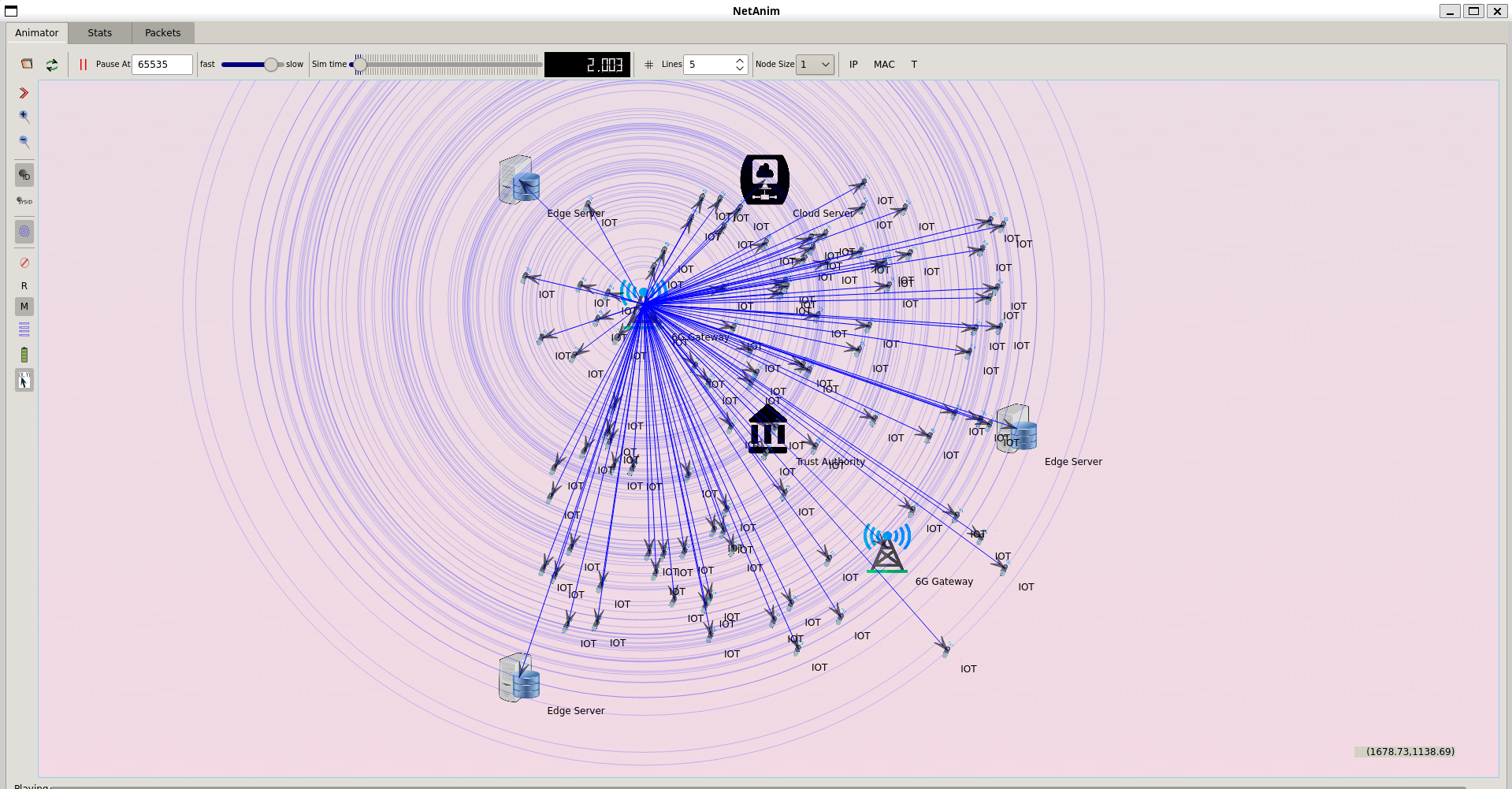
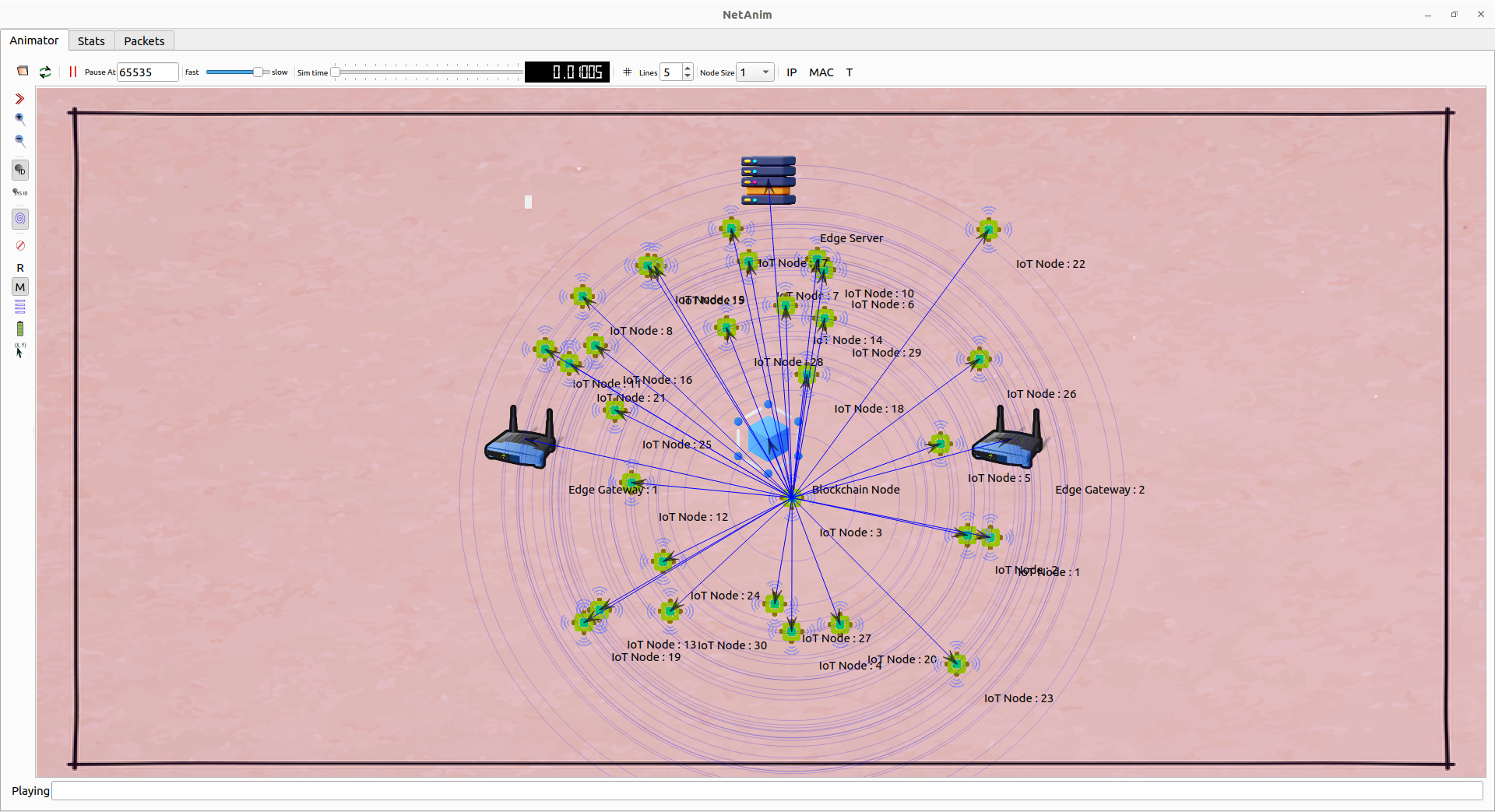
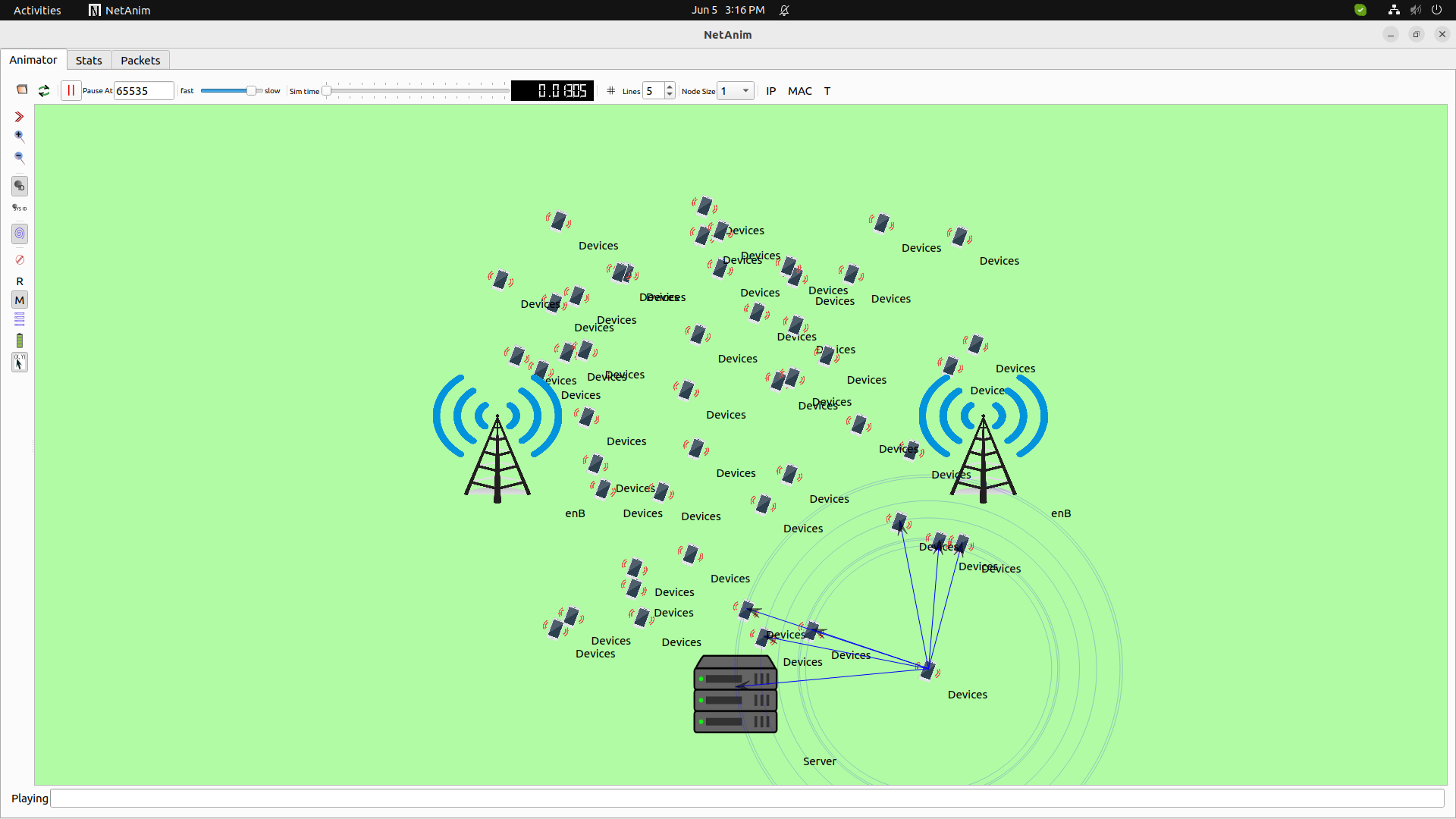
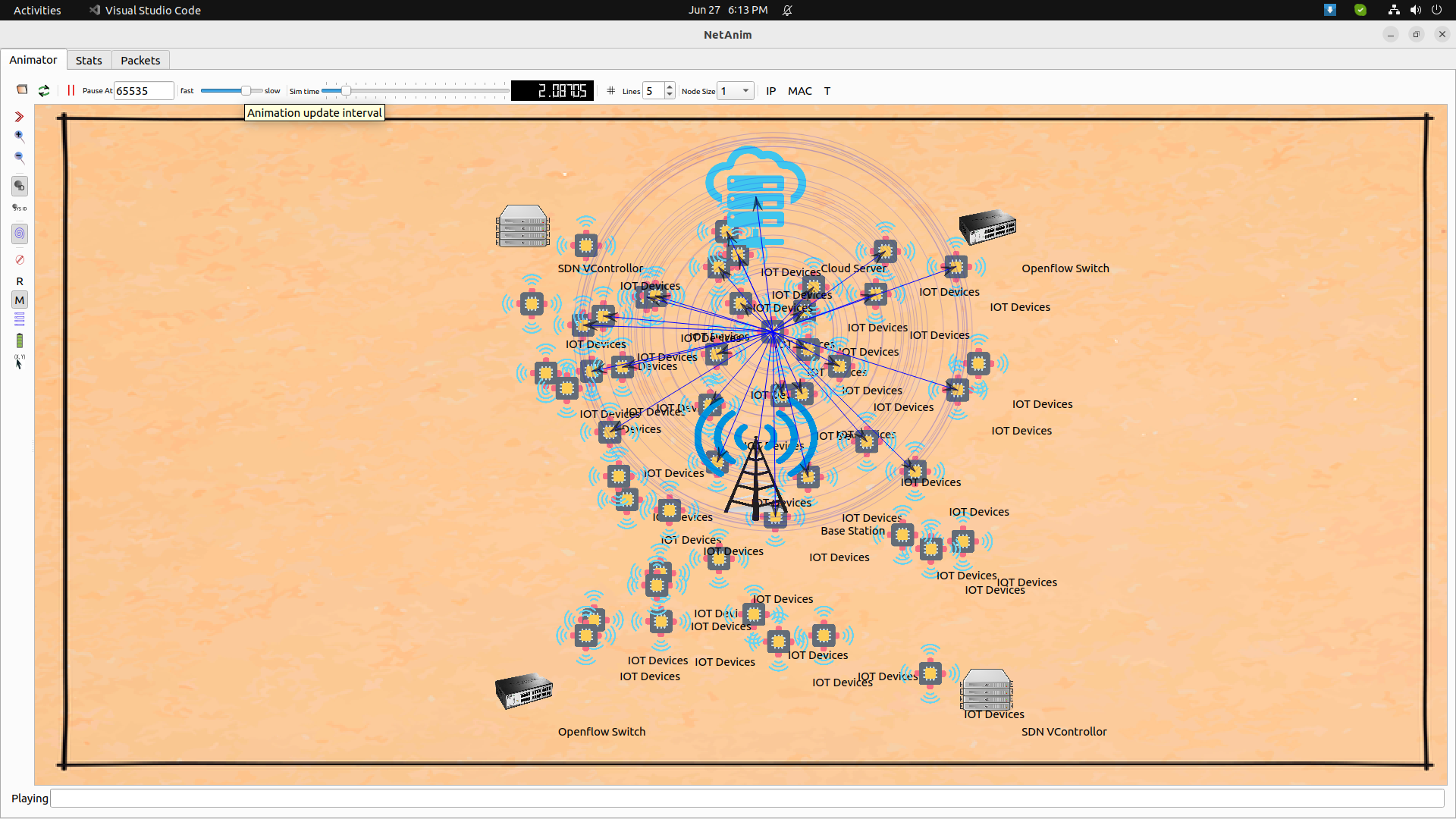
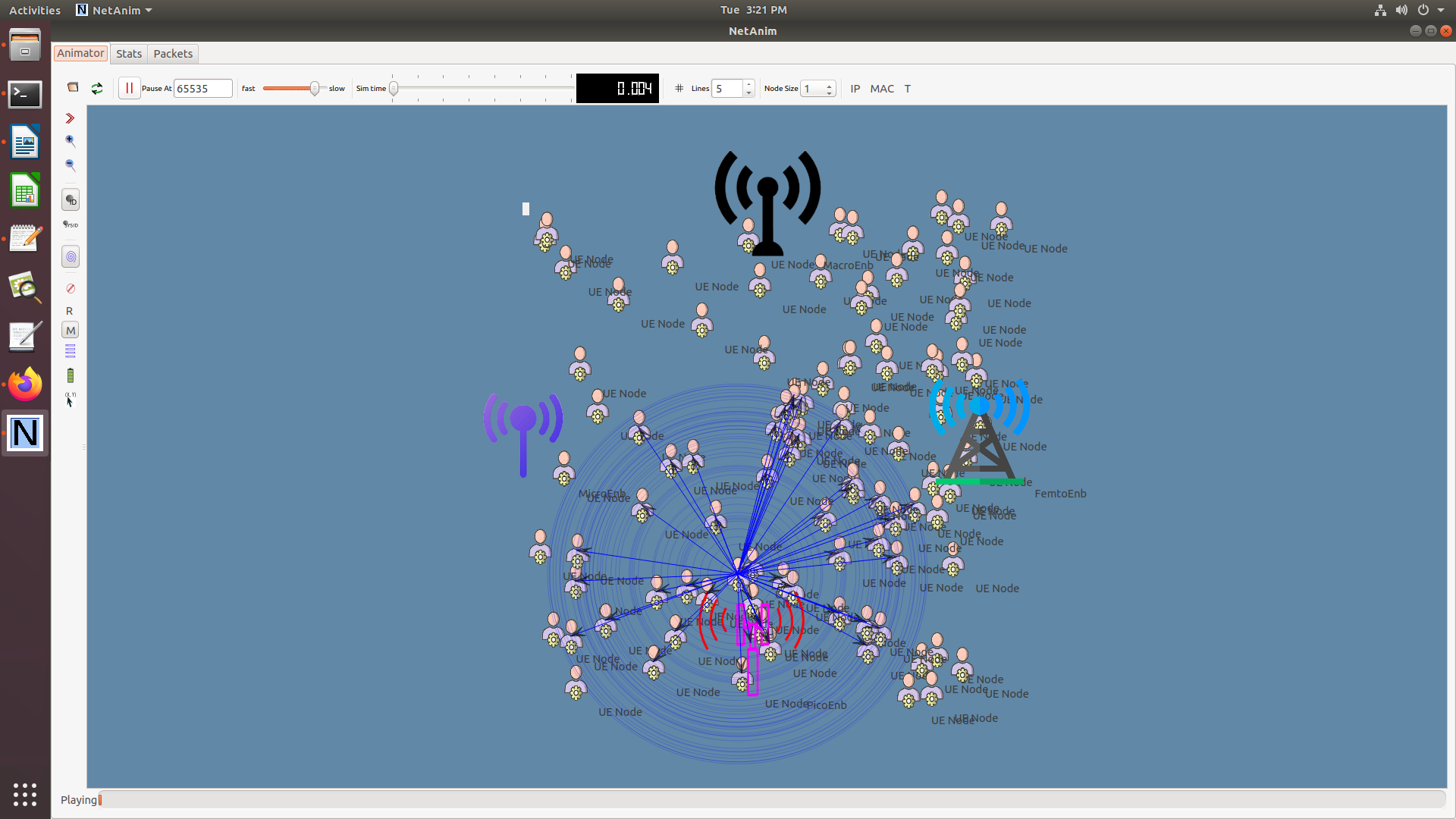
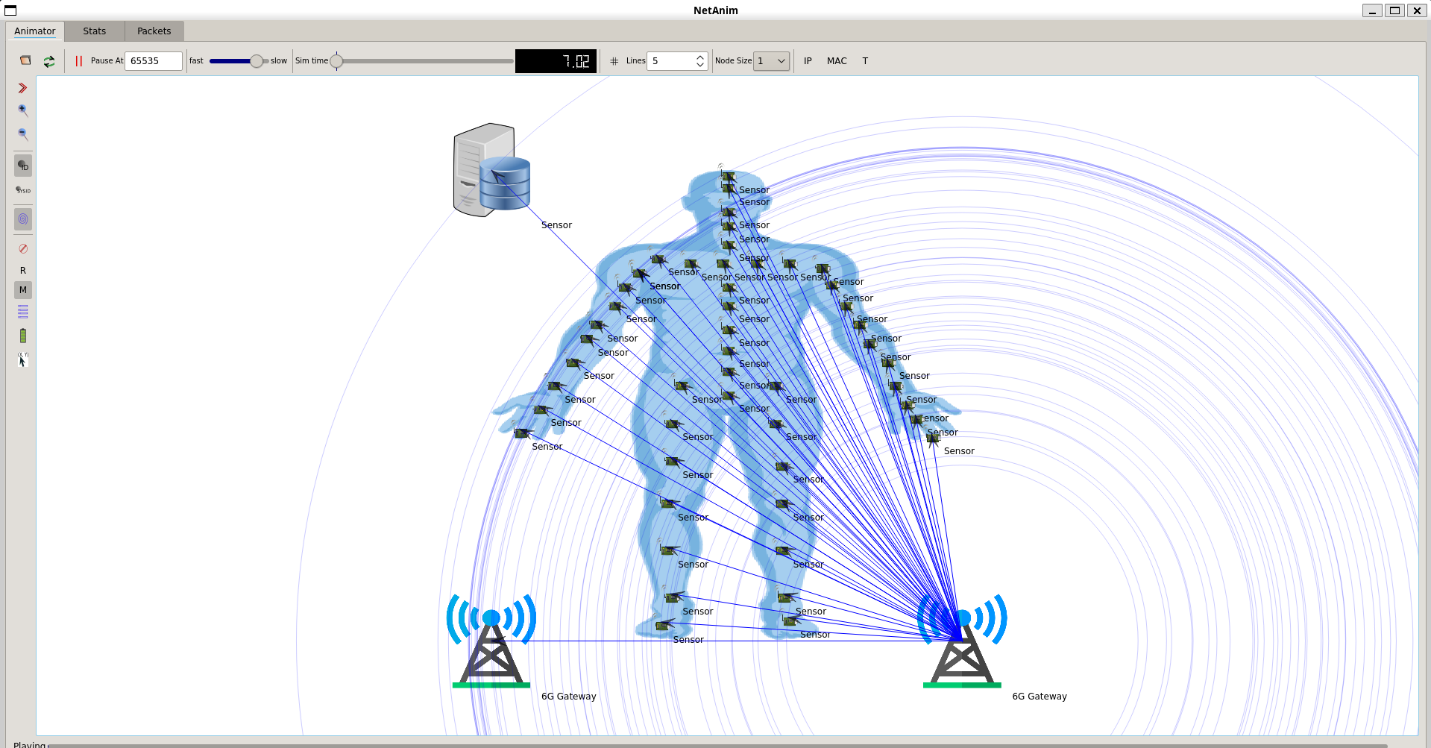
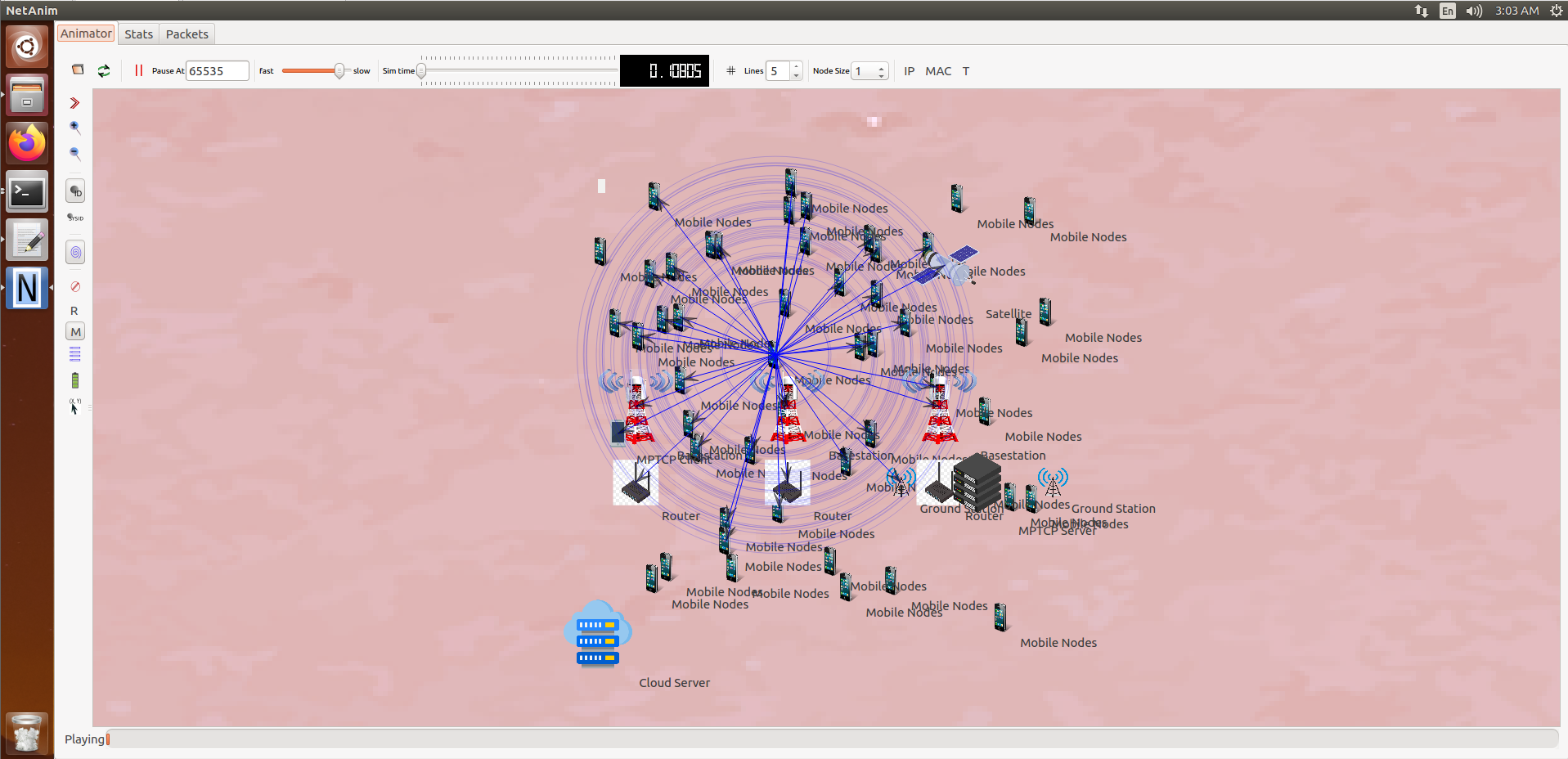
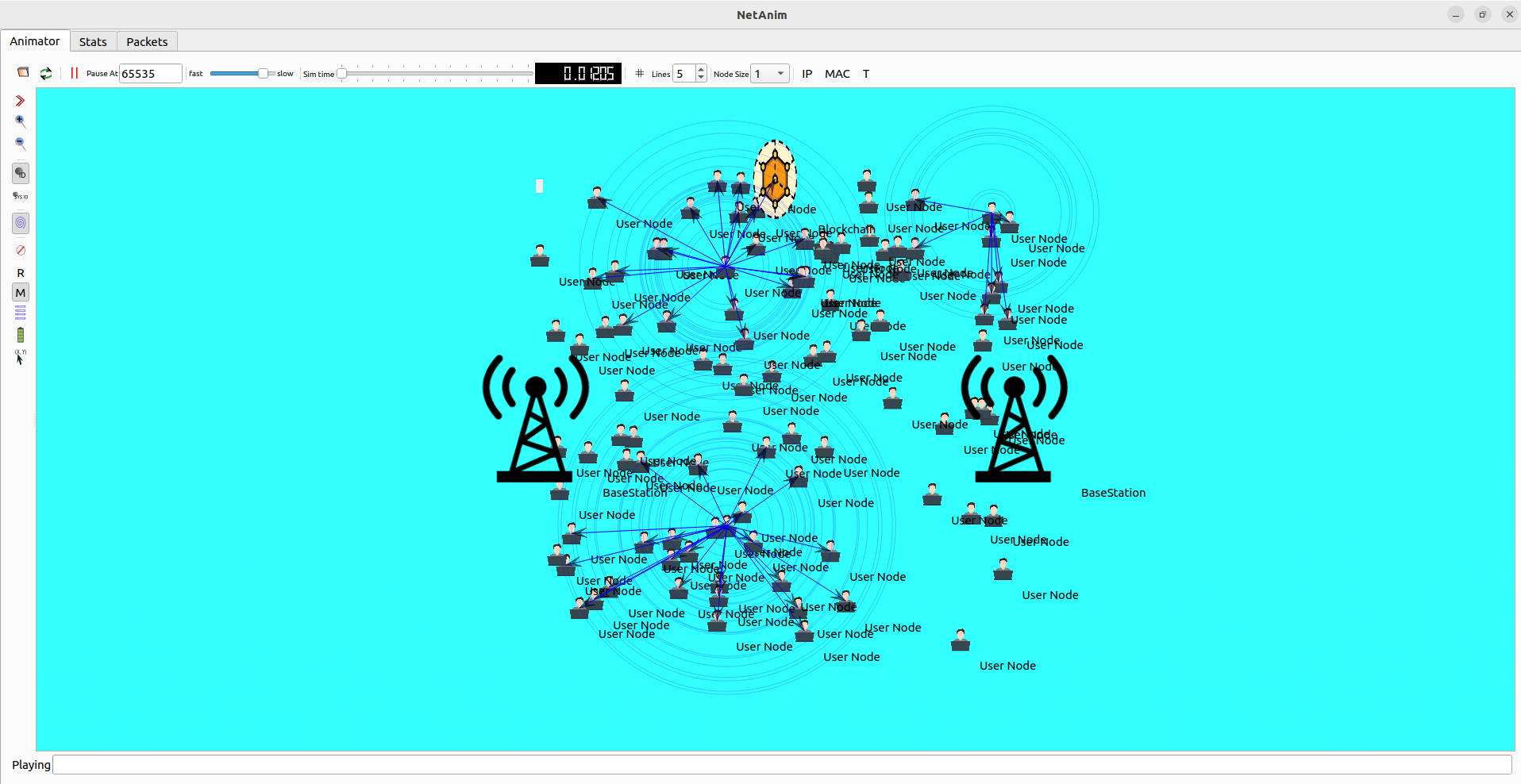
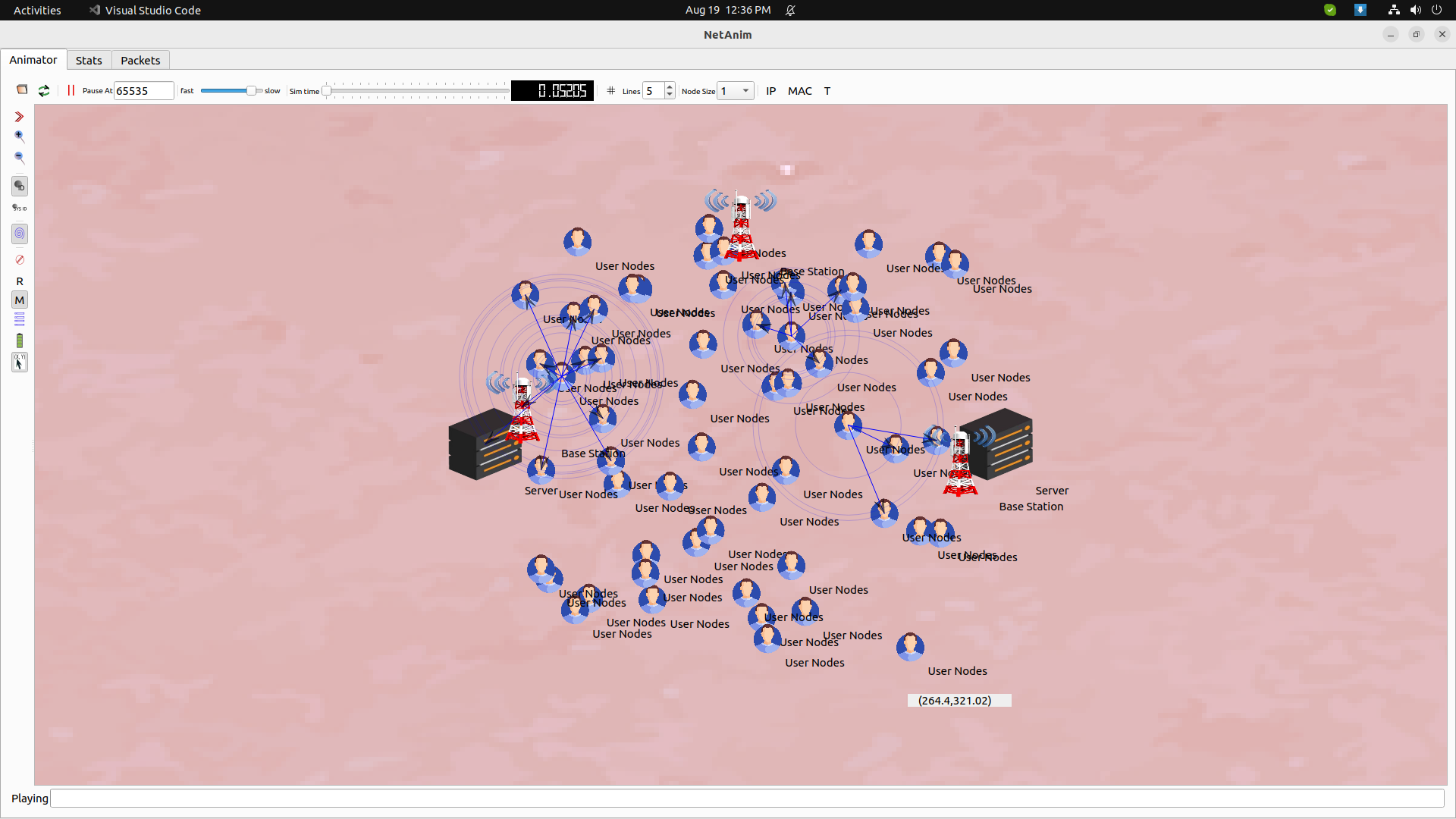
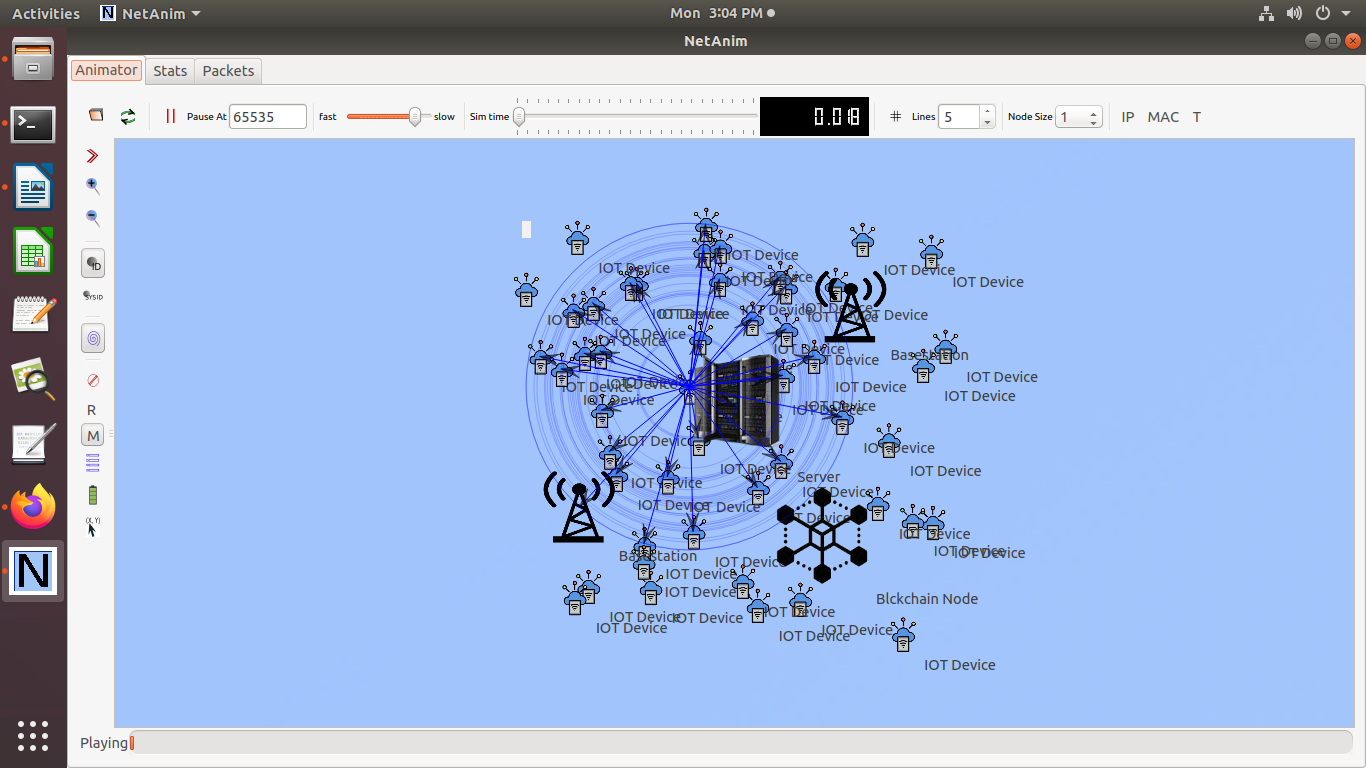
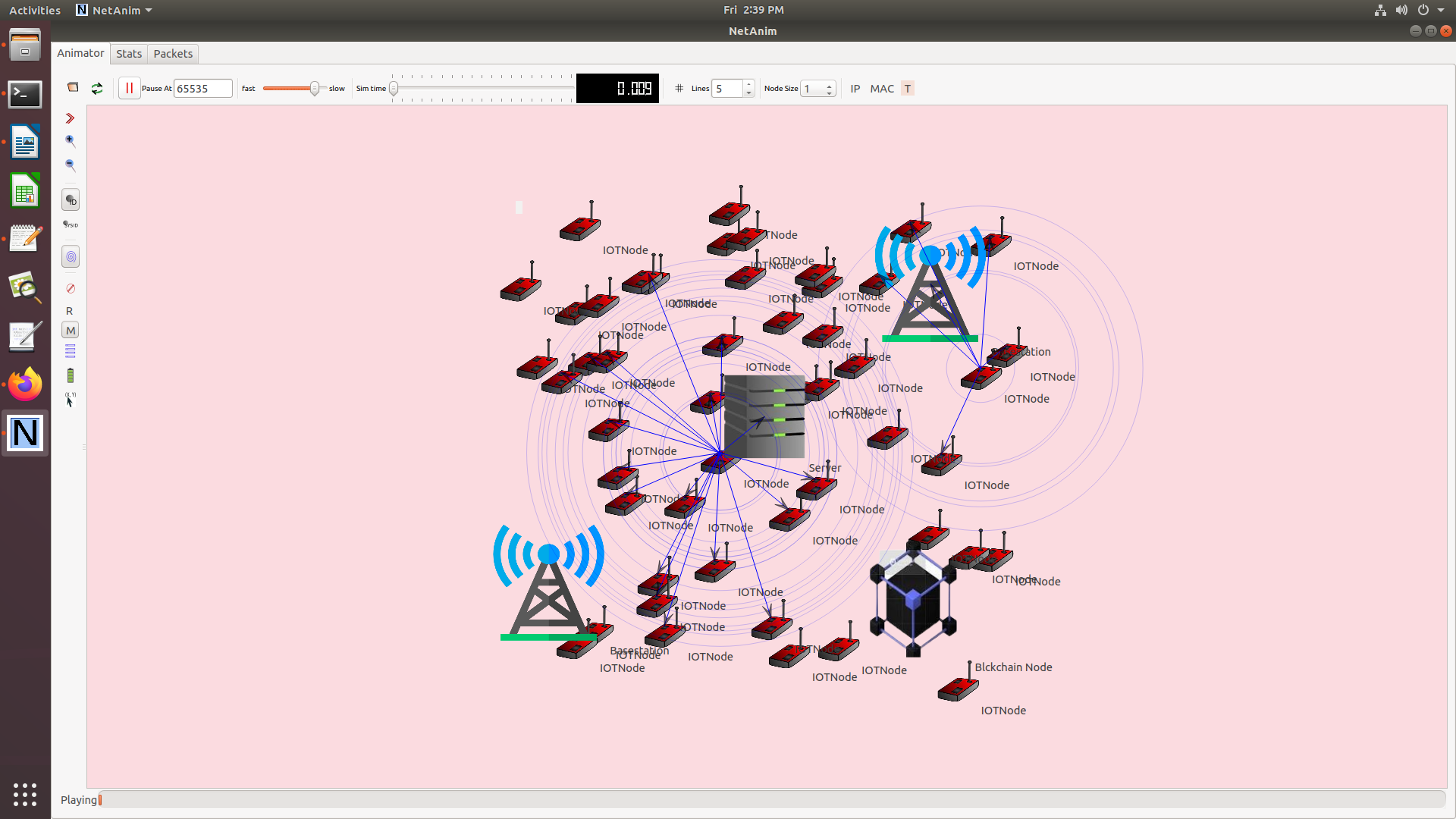
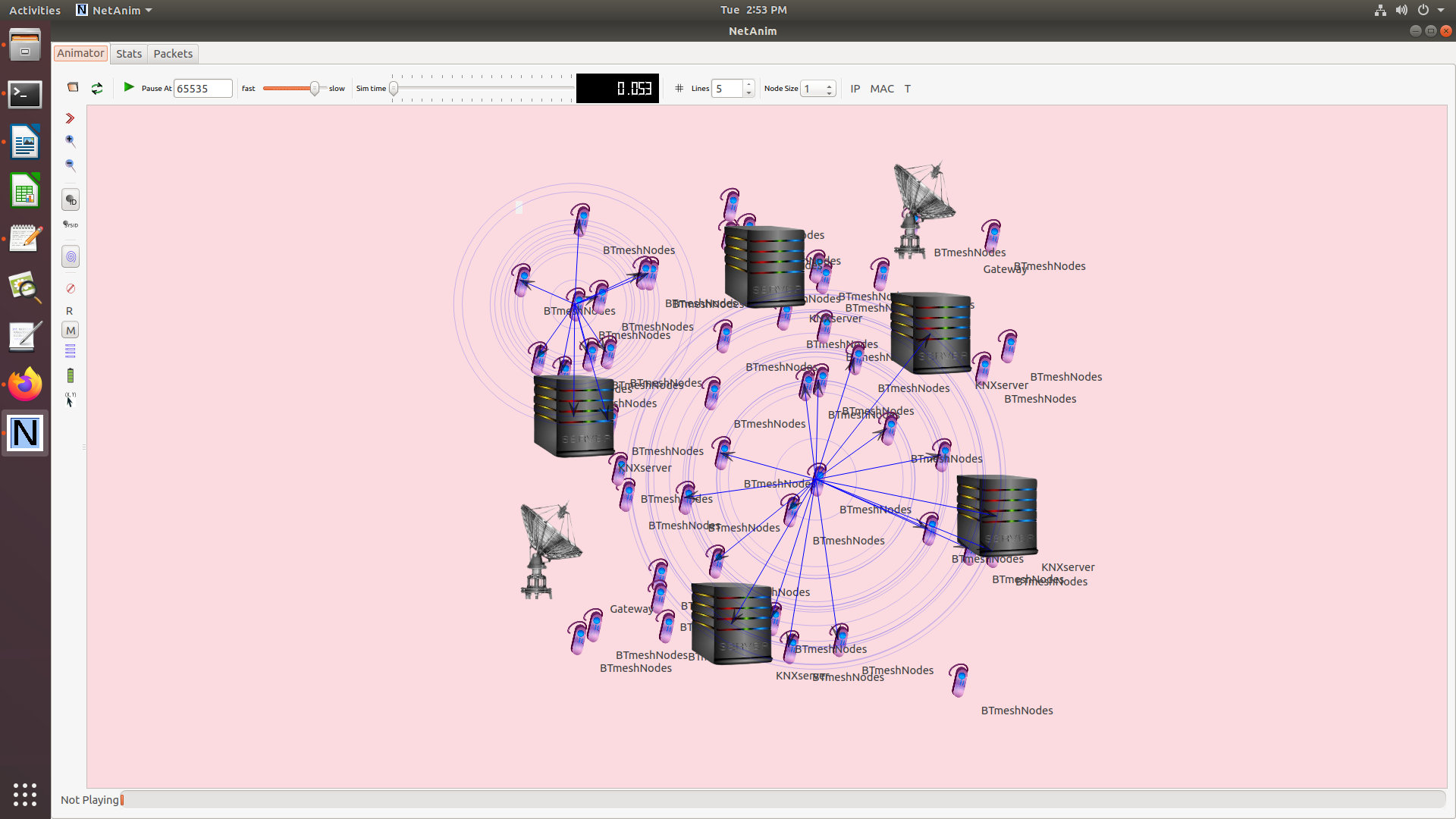
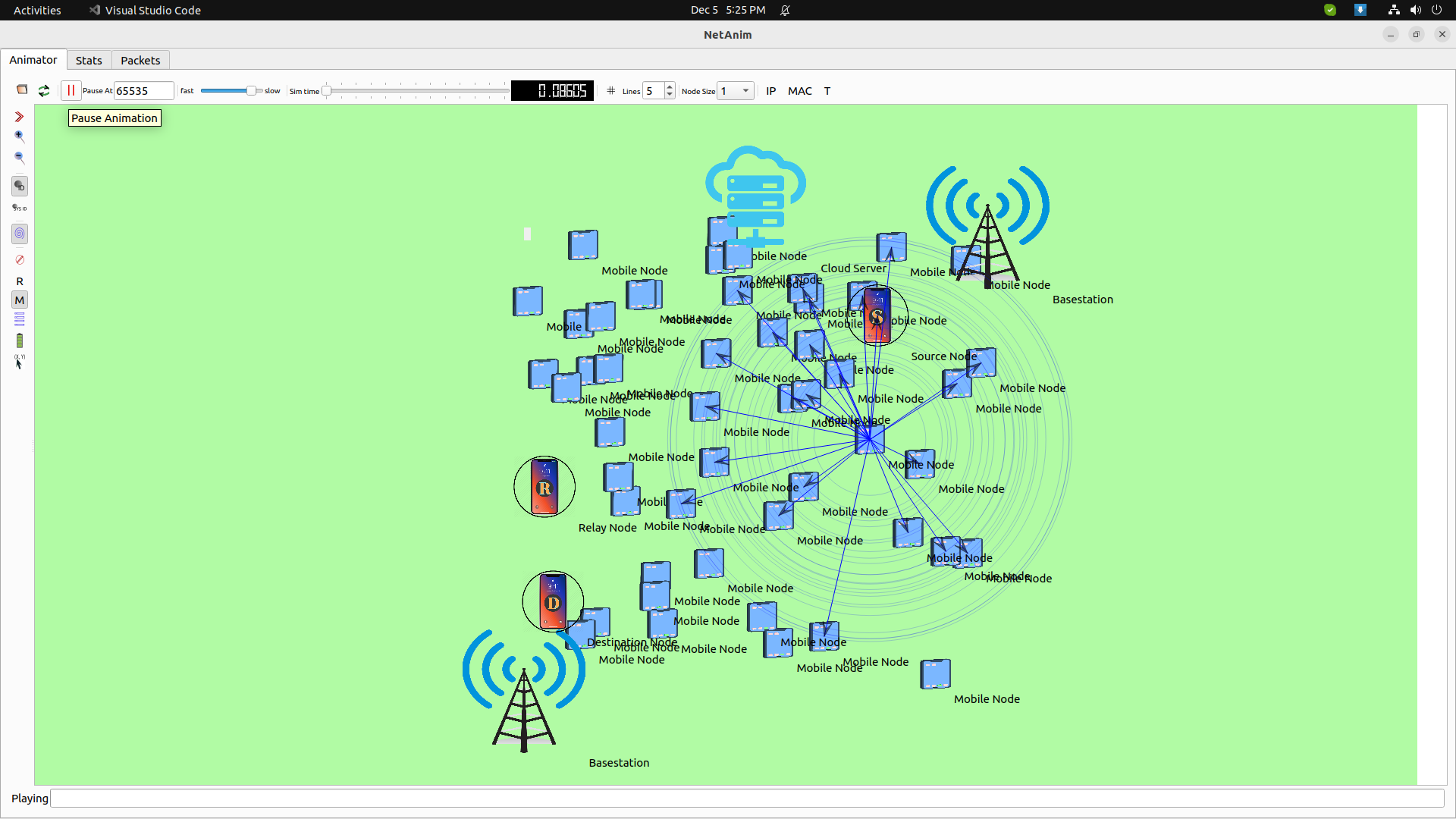
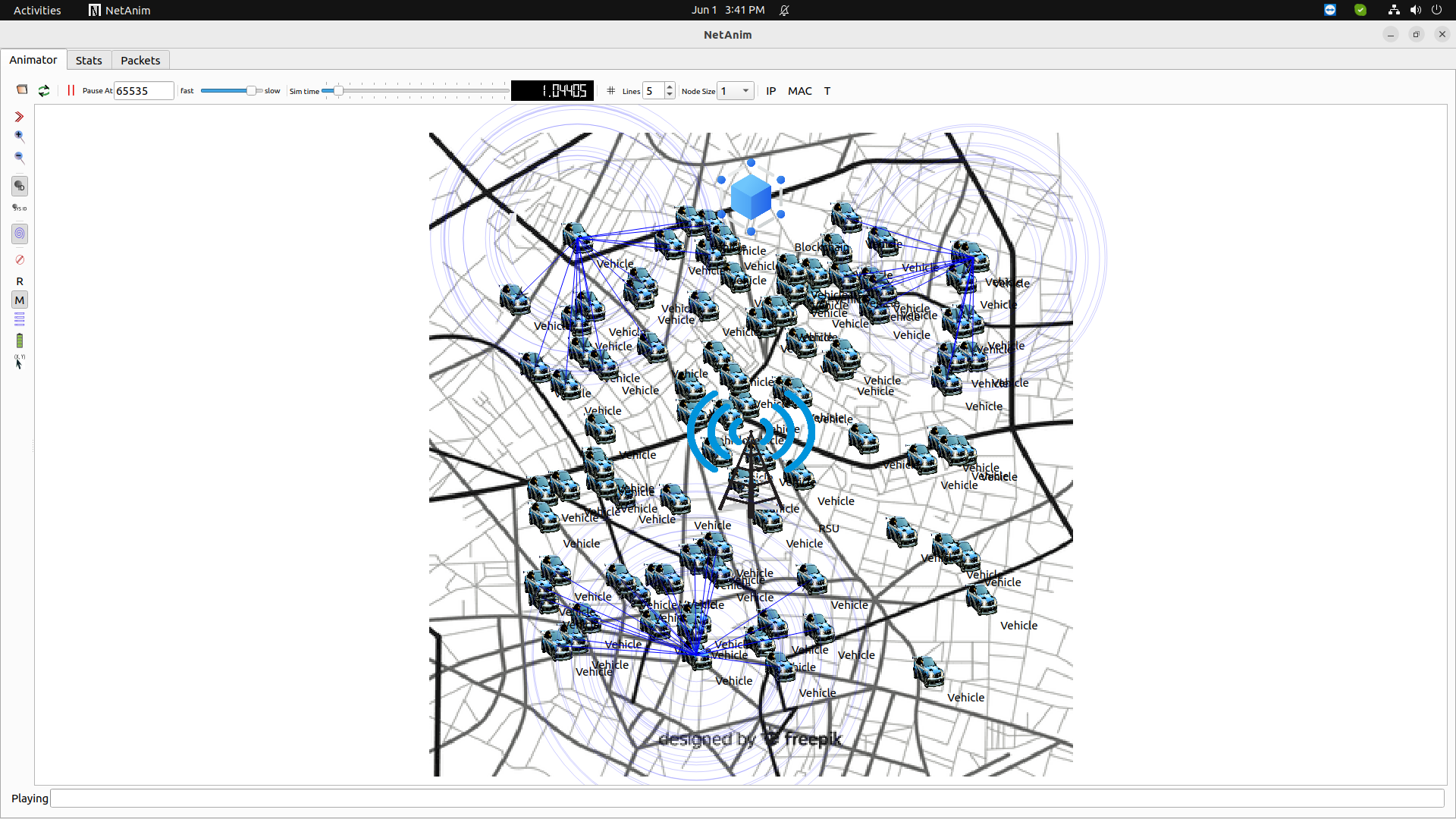
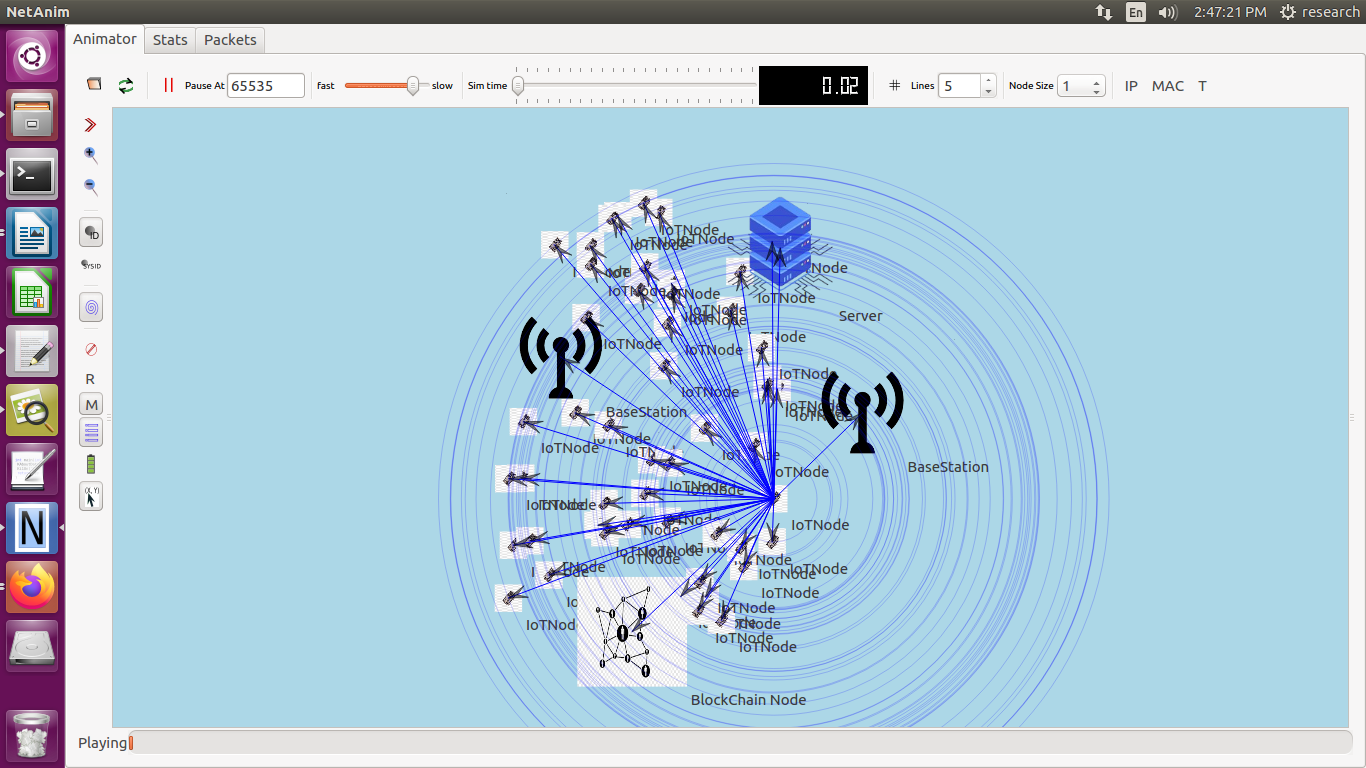
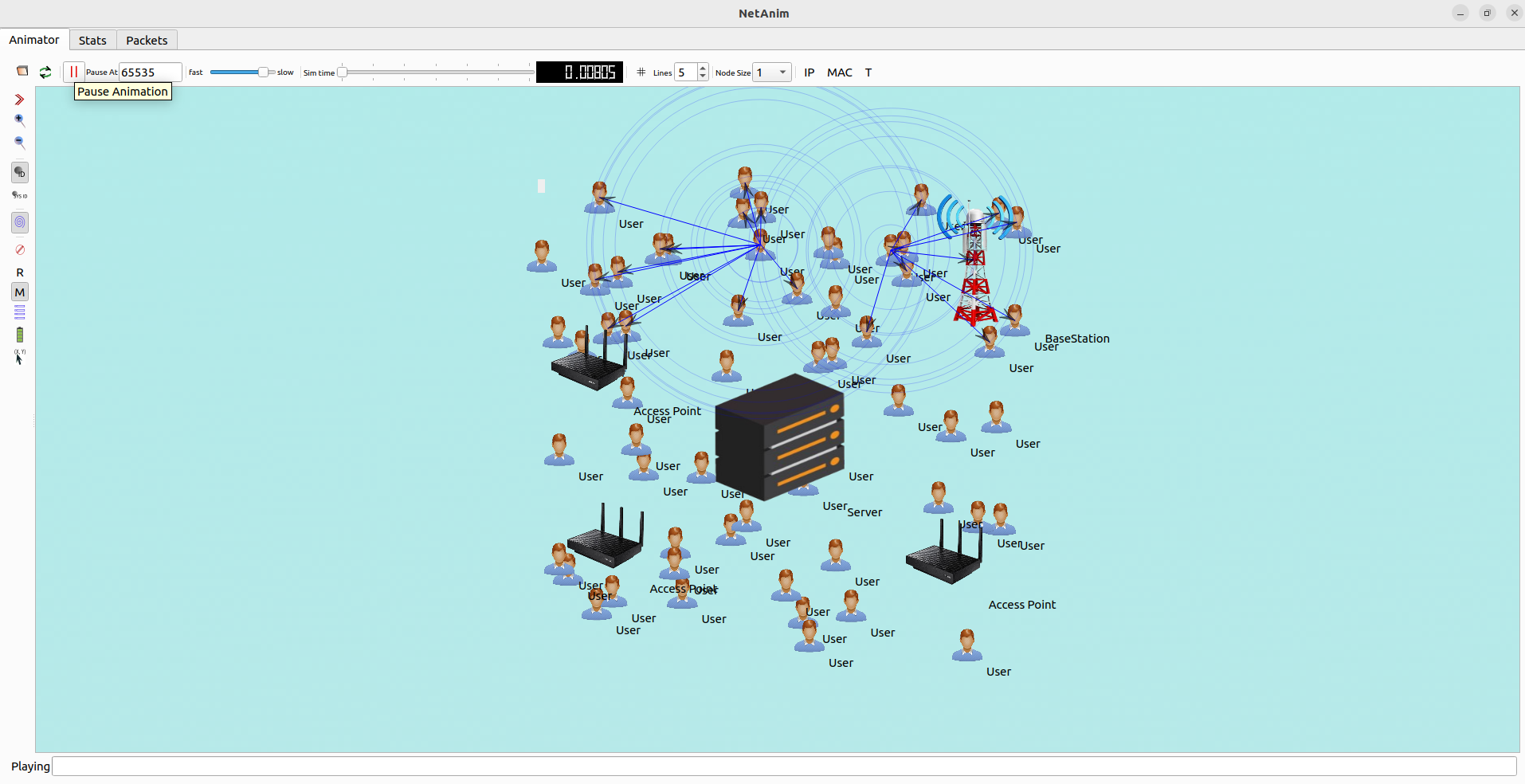
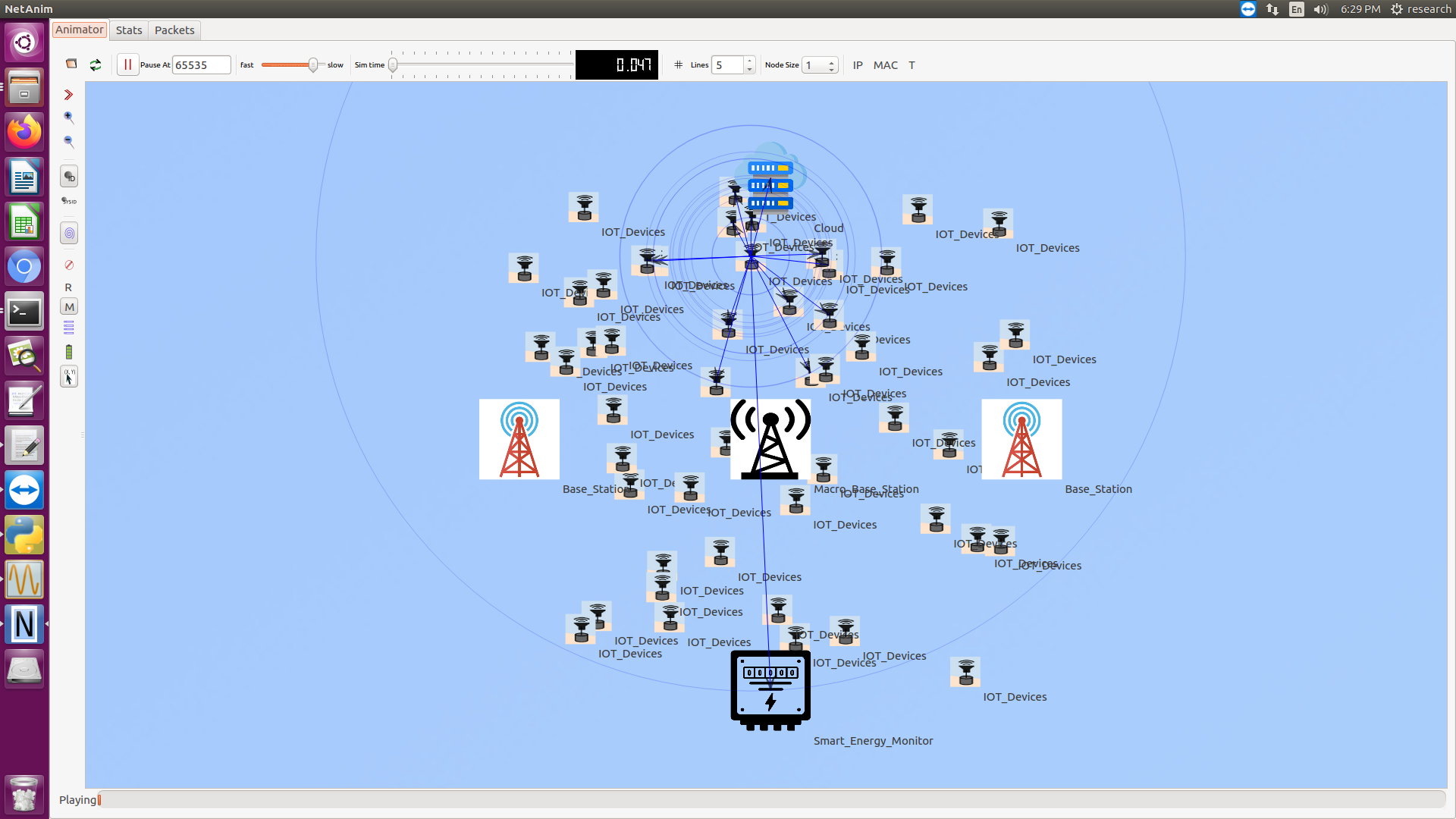
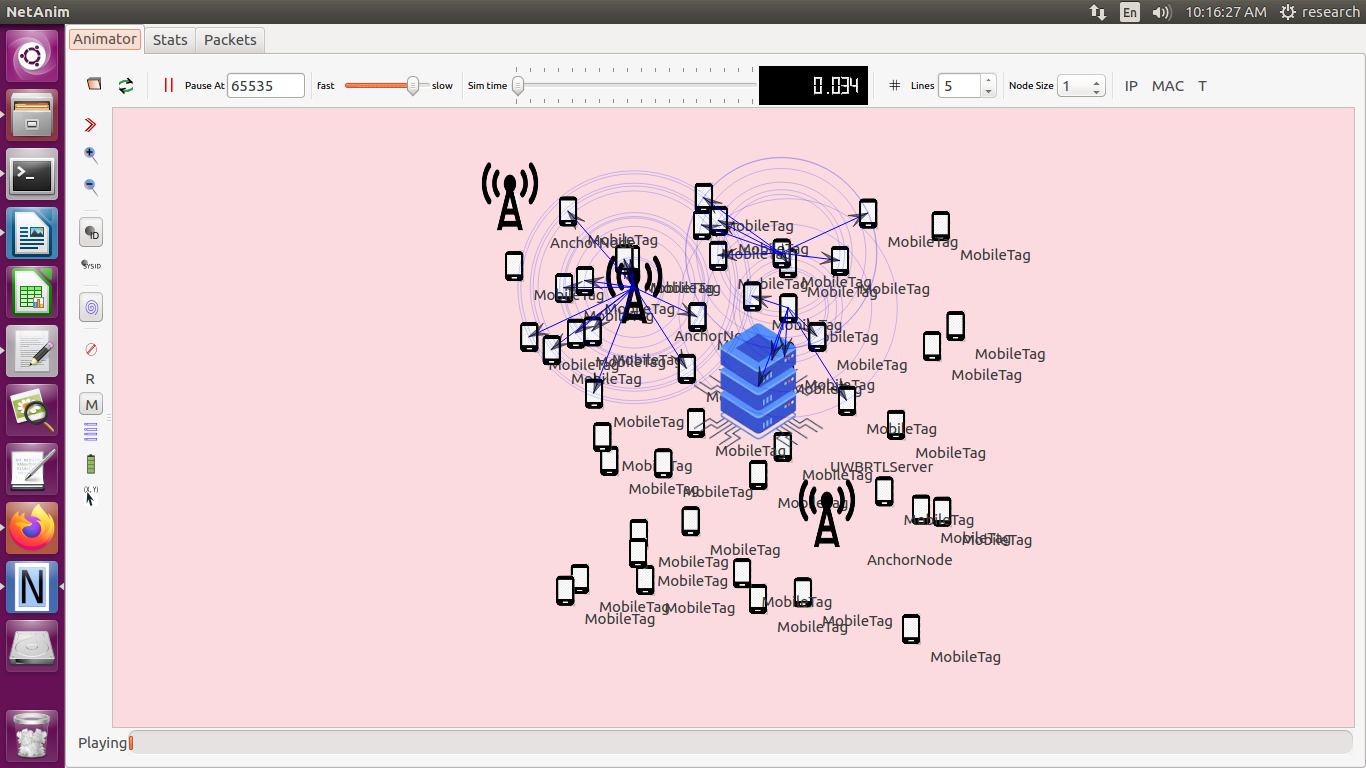
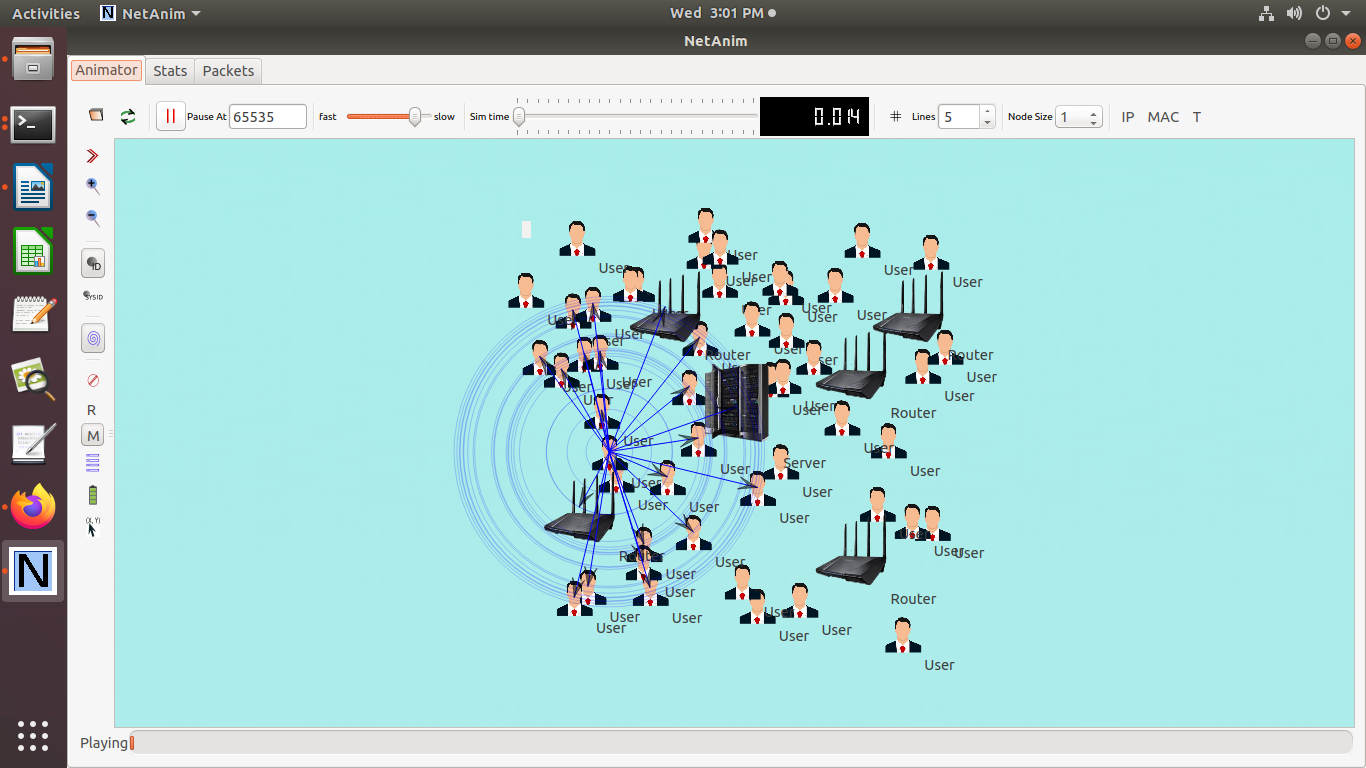
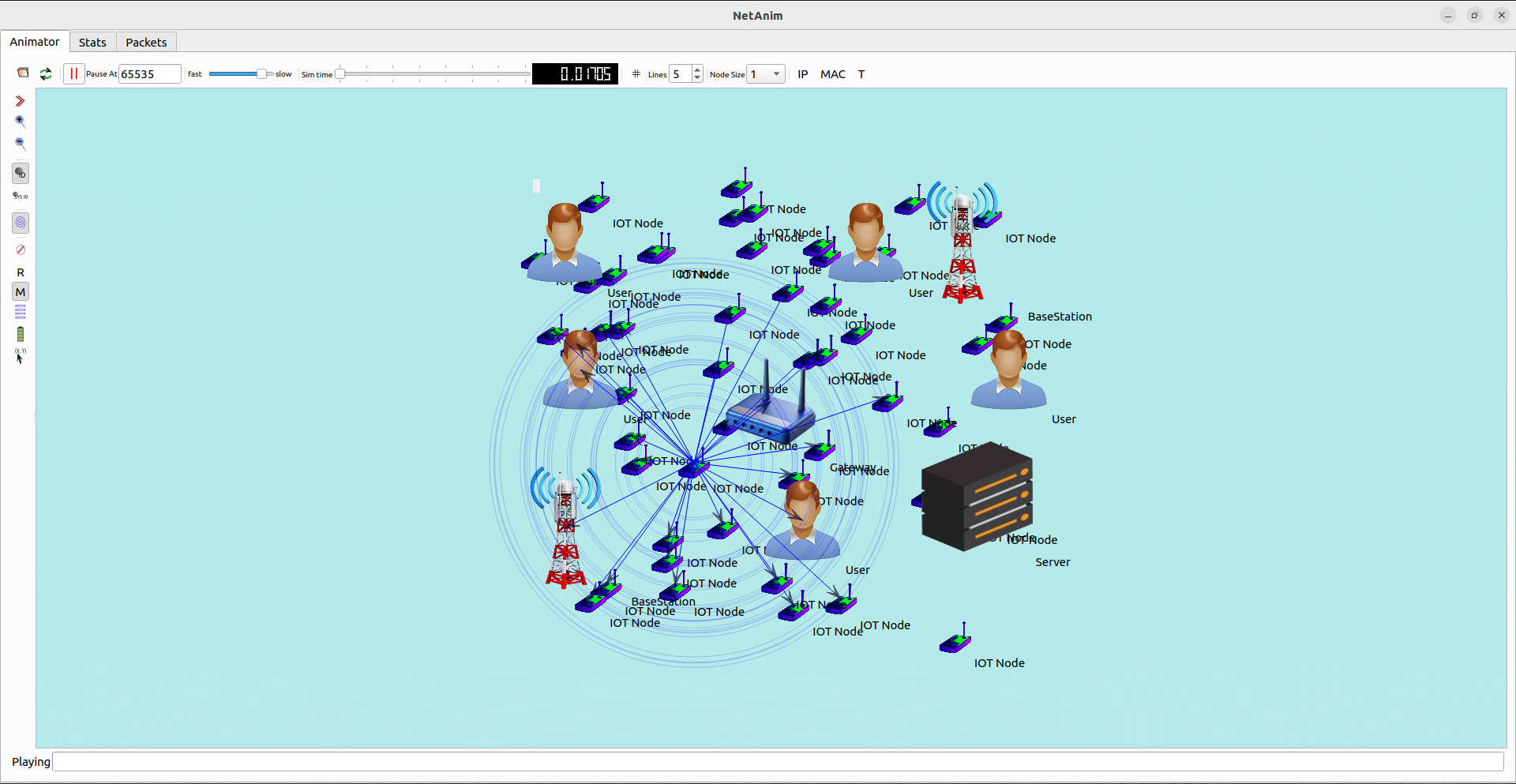
    • Network visualization by NetAnim
  • Good in simulating
    • IoT and Sensor Network
    • Ad-Hoc Networks (including FANET, MANET, VANET)
    • Cellular Standards (5G, LTE, LTE-A, and also 6G)
    • Also in New Networks (CRN, SDN, NDN, ICN and more)

Network Simulator 2

  • Simulator based on Event and languages used are C++ and OTcl
  • Attractive Features
    • Separate Scenario Creation
    • Aids in Topology Generation
    • Supports Network Animation
  • Good in simulating
    • Mobile and Vehicle Wireless Ad-hoc Networks
    • Wireless Sensor Networks and other IP based Networks

Four simulators are totally listed and described for your reference above. Each simulator is different based on the availability of its modules and libraries. For instance, the modules used in OMNeT++ are listed below.

The modules used in OMNeT++

  • GNSSim
  • UAVSim
  • CNI_OS3
  • INET framework

We analyzed the function of OMNeT++ is good in handle the following attacks

  • GPS Spoofing/jamming
  • DoS attack
  • Jamming attack
  • Attack hosts

Among the top four simulators, OMNeT++ has its importance in real-time network security. It is used in the current scenario to preserve the data in the fields of Health care, Navigation, telemetry, AHRS, Data logging, etc., by using the OMNeT’s basic and advanced model that detects statistics and dynamic attacks. Besides OMNeT++, we know other common network security simulation tools.

Other Network Security Tools
  • Python / Pearl / Ruby: To handle the common tasks, many preserved tools are available in these security tools. You can also customize the feature if you want to write on your own.
  • Wireshark: It helps to browse data about the details of the packet at any level of your need. It is also known as a protocol analyzer available in open multi-platform. When running it on untrusted networks, you must have a regular update to use this tool.

Before getting into a proper project, you must know the above attacks and the respective tools to be applied to overcome the attack as listed above. We hope you learned the types of attacks. The testing simulators and other network security tools can be implied to decide the attacks and detect the vulnerabilities to secure the network against the threats. If you want to know more knowledge, our world-class certified engineers in the related fields are here to help you in network security simulation project. Confirm your acceptance and use as much the input you want from us.


Assignments Support


  • OMNET++ Assignments
  • NS3 Assignments
  • Ns2 Assignments
  • COOJA SIMULATOR Assignments
  • CONTIKI OS Assignments
  • MININET Assignments
  • OPNET Assignments
  • QUALNET Assignments
  • GNS3 Assignments
  • NetSim Assignments
  • Matlab Assignments
  • Python Assignments

You’re Hub for Diverse Network Simulators Network Simulators Network Simulators

NS3 Services

We Provide

  • NS3 Coding
  • NS3 Simulation Services
  • NS3 Simulation Results
  • NS3 Modeling
  • NS3 Code Implementation
  • NS3 Designs
  • NS3 Research
  • NS3 PhD Guidance
  • NS3 Assignments
  • NS3 Homework
  • NS3 Projects
  • NS3 Thesis
  • NS3 Simulation Services
  • NS3 Simulation Help
  • NS3 Simulation Writers

Writing Services

We Provide

  • Research Proposal
  • Simulation / Results
  • Paper Writing
  • Paper Publication
  • Thesis Writing
  • MASTER Thesis
  • Dissertation Writing
NS3 Research

Get Expert Advice. Instantly.

Powering your research with expert end-to-end support for ns-3 simulation projects.

Helping 1M+ Research Scholars
Research Topics Project Paper Thesis
3D Underwater WSN 150 499 541
Hybrid Beamforming 110 398 432
Intelligent Agent WSN 135 412 510
Blockchain technology 121 467 496
Optical Networks 149 398 465
Vehicular sensor Network 250 491 534
Industrial IoT 114 378 431
Service Discovery 170 419 489
Named Data Networking 121 386 423
SDN-NDN 110 427 498
D2D Communication 131 389 425
M2M Communication 108 389 411
UWB communication 124 495 510
5G Network Slicing 137 437 492
Delay Tolerant Network 105 469 533
Multi-Microgrid 111 326 379
Content-centric network 100 296 304
5G Beyond networks 131 379 409
Cloud-RAN 127 352 389
Fog-RAN 145 310 378
FANET 178 395 400
Cognitive adhoc network 153 325 363
Vehicular NDN 175 310 425
Multimedia sensor network205 275 315
V2X communication 151 200 308
Software-defined WSN 176 248 358
5G 201 289 365
Fibre Channel / Cellular / 5G topics
Cellular Networks 185 235 397
CRN 204 268 348
IoT 163 287 395
Intrusion Detection system110 257 348
LiFi 101 279 386
LTE 159 208 345
MANET 175 247 395
MIMO 142 298 354
Mobile Computing 114 254 308
RPL 189 275 357
SDN 109 258 346
VANET 152 278 359
Vertical Handover 108 241 367
Wireless Body Area Network121 198 348
Wireless Communication 178 248 371
Wireless Sensor Networks106 213 369
NS3 Research
Professional guidance and complete assistance for your ns-3 simulation research and development.

Complete NS-3 Simulation Support

Contact

End-to-End Project Assistance

From Topic selection to Final submission support.

Code Debugging & Error Fixing

Fix build errors, runtime issues, and simulation crashes.

Scenario Design & Custom Topologies

Create real-time research-based network scenarios.

Performance Optimization

Improve simulation efficiency and execution time.

Thesis & Journal Paper Support

Help with result interpretation, graphs, and documentation.

Online Demo & Explanation Support

Project explanation for viva, review, and presentations.

Network Communication Domains

Your Trusted Your Trusted Your Trusted NS-3 Research Companion

Your one-stop solution for NS-3 protocols, routing strategies, and parameter optimization—fully tailored to your research needs.

  • Physical Layer
  • Data Link Layer
  • Network Layer
  • Transport Layer
  • Session Layer
  • Presentation Layer
  • Application Layer
  • Traffic Analysis Attack
  • Sniffer Attack
  • SS7 Attack
  • DDoS
  • Spoofing Wireshark
  • Ping Sweep Attack
  • Packet Injection
  • Network Probe Attack
  • ICMP Attack
  • ICMP Redirect Attack
  • Passive Attacks
  • Botnets
  • Eavesdropping Attack
  • Wireless Attacks
  • Internet Attacks
  • Hello Flood Attack
  • Hping3 SYN Flood Attack
  • Intrusion Attacks
  • Active Attacks
  • Password Sniffing Attacks
  • Packet Flooding Attack
  • Birthday Attack
  • Fragmentation Attack
  • Ransomware Attack
  • Firewall Attack
  • Teardrop Attack
  • Masquerade Attack
  • Quench Attack
  • Bus Topology
  • Star Topology
  • Ring Topology
  • Mesh Topology
  • Tree Topology
  • Hybrid Topology
  • Point-to-Point Topology
  • Point-to-Multipoint Topology
  • Daisy Chain Topology
  • Fully Connected Topology
  • Partial Mesh Topology
  • Extended Star Topology
  • Hierarchical Topology
  • Line Topology
  • Circular Topology
  • Grid Topology
  • Cellular Topology
  • Cluster Topology
  • Peer-to-Peer Topology
  • Overlay Topology
  • Logical Topology
  • Physical Topology
  • Wireless Mesh Topology
  • Fibre Channel Arbitrated Loop (FC-AL) Topology
  • Token Ring Topology
  • Dual Ring Topology
  • Flat Topology
  • Mixed Topology
  • Zigbee Topology
  • Network-on-Chip (NoC) Topology
  • Switched Mesh Topology
  • Irregular Topology
  • Bus-Star Hybrid Topology
  • Hierarchical Star Topology
  • Ring-Mesh Hybrid Topology
  • Star-Bus Hybrid Topology
  • Extended Bus Topology
  • Wireless Topology
  • Bluetooth Topology
  • Fiber Optic Topology
  • Network traffic analysis
  • Network Routing
  • Network designs optimization
  • Network Topology
  • QoS Attainment
  • QoE Attainment
  • Physical layer technologies
  • Network Security Analysis
  • Multi-RAT
  • AP Selection
  • Delay Assessment
  • Packets Transmission
  • Mobility Handoff Management
  • Mobility Management
  • Distributed Systems
  • Energy Management
  • Channel Equalization
  • Trust model
  • Clustering
  • MAC protocol design
  • 3D Beam alignment
  • Blockage mitigation
  • Offloading
  • Data fusion
  • Bundling protocols
  • DTN data management
  • DTN architectures
  • DTN prototypes
  • Network Content Sharing
  • Data Synchronization
  • Trust Models Design
  • IP Addressing
  • Namespaces
  • PID Management
  • Rendezvous, Discovery
  • Bootstrapping
  • Data Transmission Privacy
  • Social Network Analysis
  • Ransomware Target
  • StableBitcoins
  • Interoperability
  • Consensus Protocol Design
  • Protocol Optimization
  • Lightweight Blockchain Design
  • VNFs Orchestration
  • Containerized Services
  • Quantum Communication
  • Physical Layer Communication
  • NFV Communication
  • Scalability Improvement
  • Network Softwarization
  • Interact Different Networks
  • Fusion of Fronthaul
  • Backhaul
  • Small Cell Nets
  • Allocation in HetNets
  • slicing HetNets
  • Interoperability B5G
  • Coexistence of OFDMA
  • NAMO
  • Traffic differentiation
  • Traffic Offloading
  • M2M Radio Link
  • Mesh Communication
  • Sensor Management
  • Device Management
  • Spectral Efficiency
  • Network Resource Allocation
  • Cross Layer Design
  • Multimedia Transmission
  • Next Generation
  • Channel Rate Adaptation
  • Multi-Hop Energy
  • Flying Vehicle Communication
  • Submarine Data Transmission
  • Visual MIMO
  • Large-Scale Networks
  • mmWave
  • Node Deployment
  • OSI layers Security
  • Trust based Routing
  • Reputation based Routing
  • Network Port Access
  • Multi-level Firewall
  • En-Route Filtering
  • End-to-End Encryption
  • Radio Fingerprinting
  • Scalable Parameterization
  • Channel Interference Avoidance
  • Radio Resource Allocation
  • Frequency Hopping
  • Data Suppression
  • Data Compression
  • Beamforming
  • Multimedia Routing
  • Cell Sectorization
  • Satellite Constellations 5G
  • Satellite Constellations B5G
  • AI based Resource Allocation
  • Energy Harvesting
  • Energy Consumption
  • Route Readjustment
  • Path Prediction
  • Mobile Sink Location
  • Relocation
  • Intelligent Agents Deployed
  • 3D Wireless Sensor Modeling
  • 4D Wireless Sensor Modeling
  • 6TiSCH Sensors Communication
  • TSCH based Sensors Communication
  • New Waveform
  • Channel Modeling
  • Spectrum Allocation
  • Energy Harvesting in URLLC
  • Energy Harvesting eNBB
  • Security Preservation
  • Bio-Inspired Routing
  • Deep Learning based Routing
  • Route by Hybrid Protocols
  • Routing Protocols Design
  • Multi-Criteria based Routing
  • Network Structure
  • Topology based Routing
  • MIMO Routing
  • Hybrid Beamforming
  • Interference Management
  • Channel Characterization
  • Pilot Contamination
  • 3D Channel Modeling
  • HD Video Streaming
  • Mobile Data Networking
  • Carrier Aggregation
  • Channel Aggregation
  • Packet Scheduling
  • Scheduling Cell Resource
  • Uplink Synchronization
  • Downlink Synchronization
  • QoS aware Routing
  • QoS aware Clustering
  • 3D MANET Massive Users
  • 4D MANET Massive Users
  • Interoperability to D2D
  • Interoperability Cloud
  • Interoperability 5G
  • MANET-IoT
  • Massive Channel Access
  • H&off Management
  • Video Traffic Scheduling
  • Secondary Users Routing
  • PUEA Detection
  • Spectrum & Power Allocation
  • Error Control & Fault Prediction
  • Dynamic Spectrum Access
  • Channel Scheduling
  • Channel Sensing
  • Relay Selection
  • Power Allocation
  • Coverage Improvement
  • Capacity Improvement
  • Power allocation
  • scheduling
  • Content Dissemination
  • VSN
  • Mobile Sensing
  • Network Collision Avoidance
  • Traffic Congestion Info
  • Systems on a chip
  • Optical fibers
  • line switching
  • Passive optical networks
  • Rapid fault handling
  • Optics in 5G networks
  • Satellite optical
  • Low earth orbit satellite
  • M2M satellite communication
  • Heterogeneous satellite-cooperative
  • Hybrid satellite terrestrial relay network
  • Inter-satellite Optical communication
  • DWDM in Fiber
  • Packet Switching
  • Optimal Routing
  • Optical Visual MIMO
  • Burst Loss Probability
  • Flexible Branching
  • Path planning AUV
  • cluster transmission
  • Prediction sensor location
  • Range Free Localization
  • Gateway Placement
  • Mobility Control
  • Adjustment of power
  • Demodulation
  • ISI mitigation
  • Reactive obstacle prediction
  • Localization schemes
  • Channel coding
  • Aggregation
  • Co-channel interference
  • Nearest Antenna Selection
  • Spatial Modulation
  • PAPR Mitigation
  • Multiple Access
  • Filtered OFDM
  • MAC Frame Design
  • In-body, On-body & Off-body
  • Emergency Data Prediction
  • Remote Patient Monitoring
  • Energy Aware Resource Allocation
  • Power Optimized Data Transmission
  • Flow Rule Placement
  • Multimedia Flows Routing
  • Buffer Management
  • Network Traffic Analysis
  • Dynamic Offloading
  • Controller Placement
  • Emergency Message Dissemination
  • Vehicle Traffic Analysis
  • Network Penetration Testing
  • Security Information and Event Management
  • Network Threat Intelligence
  • Task Offloading Decision
  • Traffic aware Routing
  • Network Privacy
  • DODAG Fault Tolerance
  • Network Traffic Balancing
  • Traffic Control
  • Congestion Control
  • Mobility Control
  • Network Incident Response
  • Service Discovery
  • Network Design and Architecture
  • Network Management
  • Network Performance Analysis
  • Network Monitoring
  • Network Troubleshooting
  • Network Privacy
  • Network Anonymity
  • Network Secure Shell
  • Network Telnet
  • Video Conferencing
  • Network Telepresence
  • Collaboration Tools
  • Network Cloud Storage
  • Network Wireshark Analysis
  • Network Packet Tracing
  • Network Business Continuity
  • Network Traffic Shaping
  • Autonomous Network Management
  • Internet Governance
  • Secure Multi-Party Computation
  • Network Service Chaining
  • Network Slicing
  • Network Microsegmentation
  • Network Coding
  • Cross Layer Design
  • Network Neutrality
  • Network Edge Intelligence
  • Machine Learning for Network Optimization
  • Network Analytics
  • Network Digital Twins
  • Network Service Orchestration
  • Network Policy Based Management
  • Network Intent Based Networking
  • Virtualized Security
  • Ransomware Detection
  • Anti-forensic Techniques
  • Malware Detection
  • Virus Detection
  • Access Control
  • Privacy Control
  • Insider Threat
  • Intrusion Detection
  • Attacks Mitigation
  • Node Authentication
  • Behavioral Detection
  • Multi-Attacks Detection
  • Threats Analysis
  • Multi-Factor Authentication
  • CoC Preservation
  • Types of Forensics
  • Refine Forensics Architecture
  • SDN Forensics
  • IaaS Cloud Forensics
  • Lightweight Architecture
  • Public Key Cryptography
  • Symmetric Key Cryptography
  • Identity based Cryptography
  • Certificateless Cryptography
  • Cryptographic Hashing
  • Lightweight Cryptography
  • Fiber Optical Security
  • ANN based Steganography
  • Internet Traffic Transforming
  • Blockchain based IDS
  • Anomaly based IDS
  • Hybrid Signature
  • Retraining Massive Data
  • Source Location Privacy
  • Phishing Defense
  • Network Disaster Recovery
  • Network Security Architecture
  • Network Security Engineering
  • Network Security Operations
  • Network Security Awareness
  • Network Cybersecurity Frameworks
  • Network Cybersecurity Policies
  • Network Cybersecurity Compliance
  • Network Cybersecurity Auditing
  • Network Threat Hunting
  • Network Penetration Testing Methodologies
  • Network Vulnerability Assessment
  • Network Risk Assessment
  • Network Security Posture
  • Security Metrics
  • Industrial Control Systems Security
  • SCADA Network Security
  • Data Security
  • Privacy Protection
  • Application Security
  • Web Security
  • Mobile Security
  • Cloud Security
  • Endpoint Security
  • Identity and Access Management (IAM)
  • Zero Trust Security
  • Secure Coding Practice
  • Antivirus and Anti-malware
  • Security Architecture
  • Advanced Persistent Threats
  • Cyber-Physical Systems Security
  • Industrial Control Systems Security
  • SCADA Security
  • IoT Security
  • Bring Your Own Device Security
  • Blockchain Security
  • Quantum Cryptography
  • Autonomous Vehicle Security
  • Cybersecurity in Healthcare
  • Cybersecurity in Finance
  • Cybersecurity in Education
  • Cybersecurity in Government
  • Cybersecurity in Retail
  • Cybersecurity in Telecommunications
  • Artificial Intelligence Security
  • Machine Learning Security
  • Cybersecurity in Big Data
  • Cybersecurity in Cloud Computing
  • Cybersecurity in Edge Computing
  • Fog Computing Security
  • Serverless Computing Security
  • Cybersecurity in 5G Networks
  • Wireless Security
  • Security in E-Commerce
  • Security Incident Management
  • Insider Threat Management
  • Cyber Espionage
  • Cyber Warfare
  • Cybersecurity in Supply Chain Management
  • Cybersecurity in Manufacturing
  • Cybersecurity in Renewable Energy Systems
  • Embedded Systems Security
  • Firmware Security
  • Biometric Security
  • Mobile Application Security
  • Next-Generation Firewalls
NS3 Worldwide Support

Enquire Now