Comparative Analysis of IoT devices in cloud computing
Implementation plan:
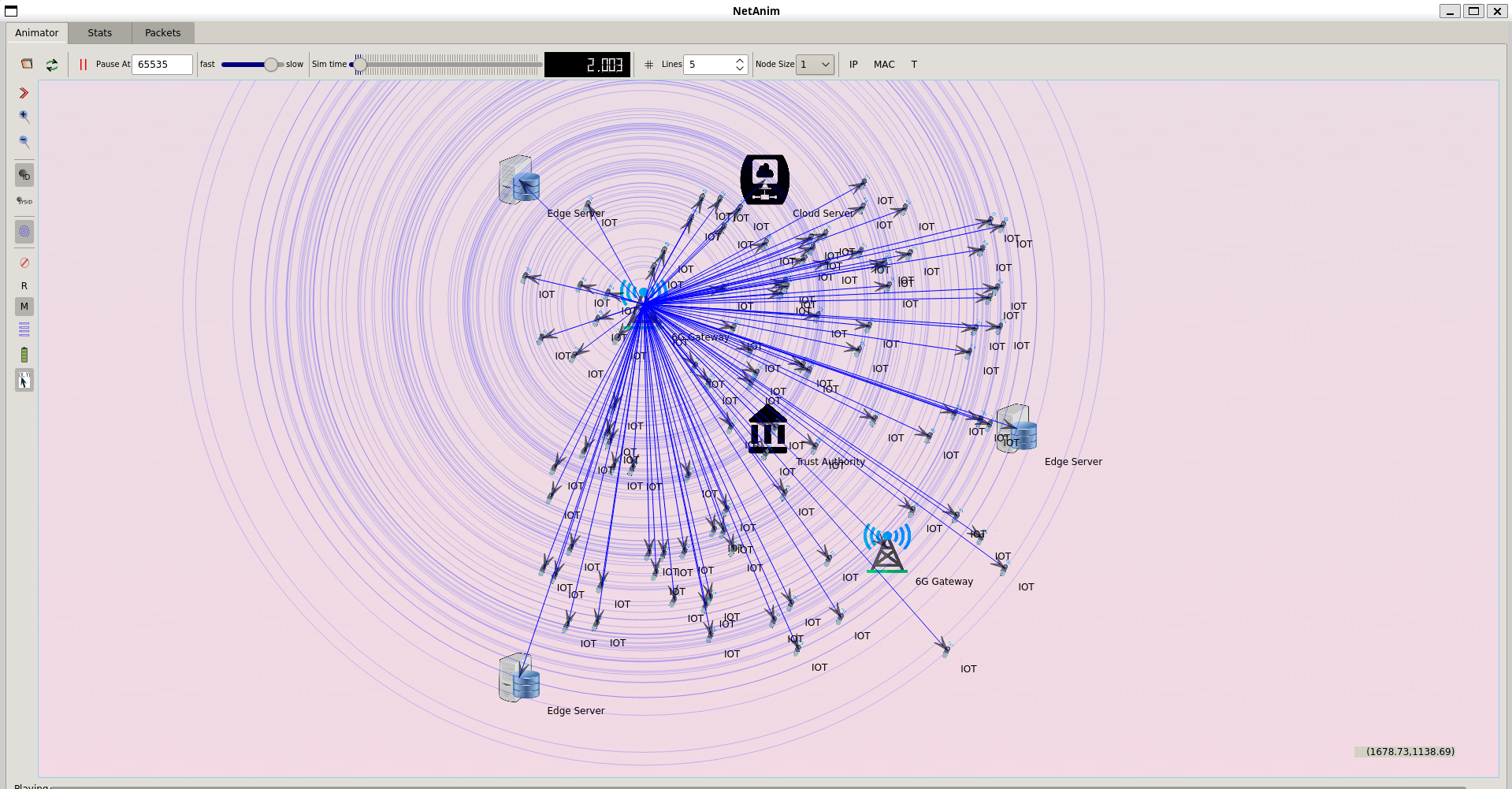
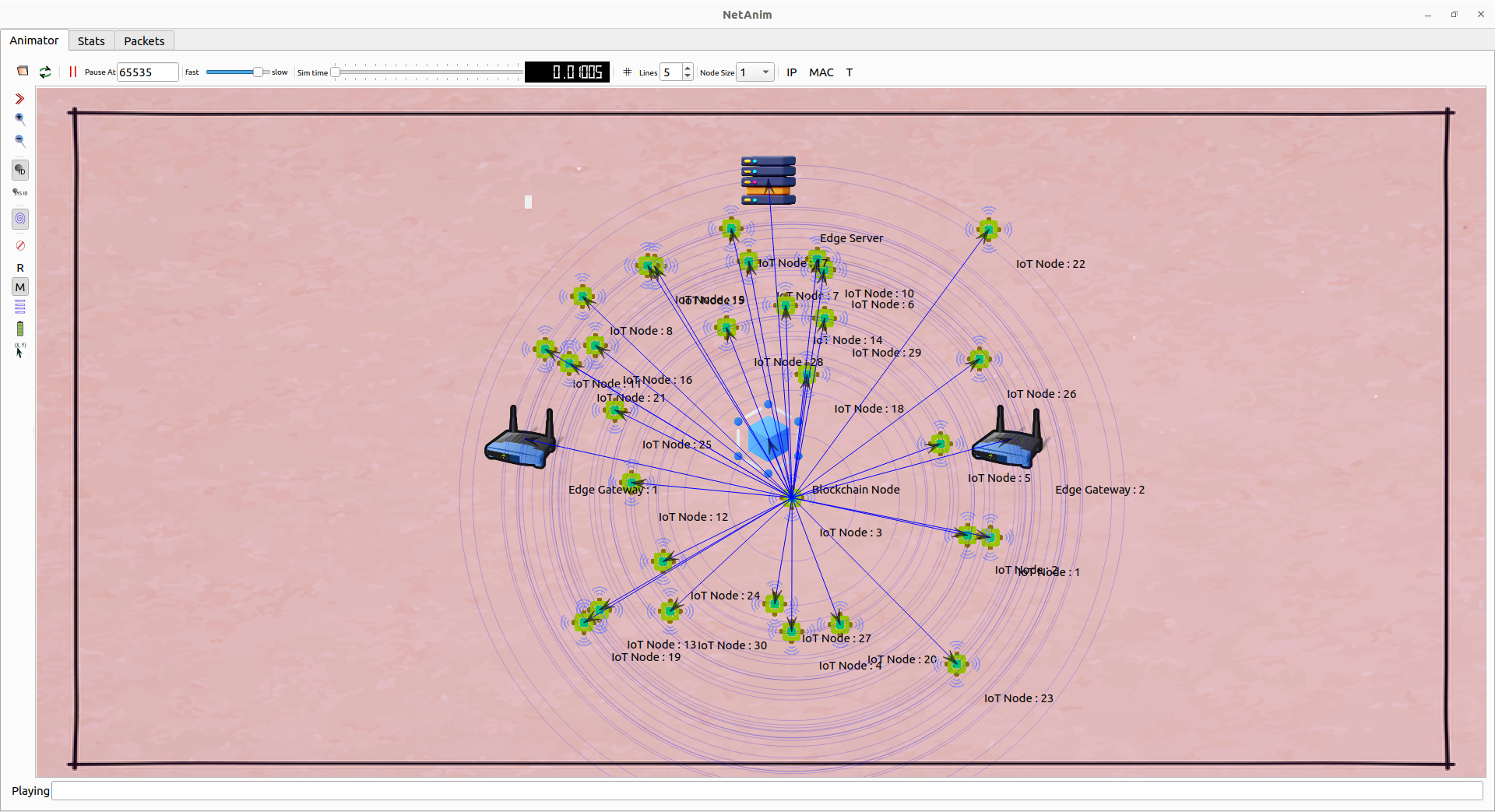
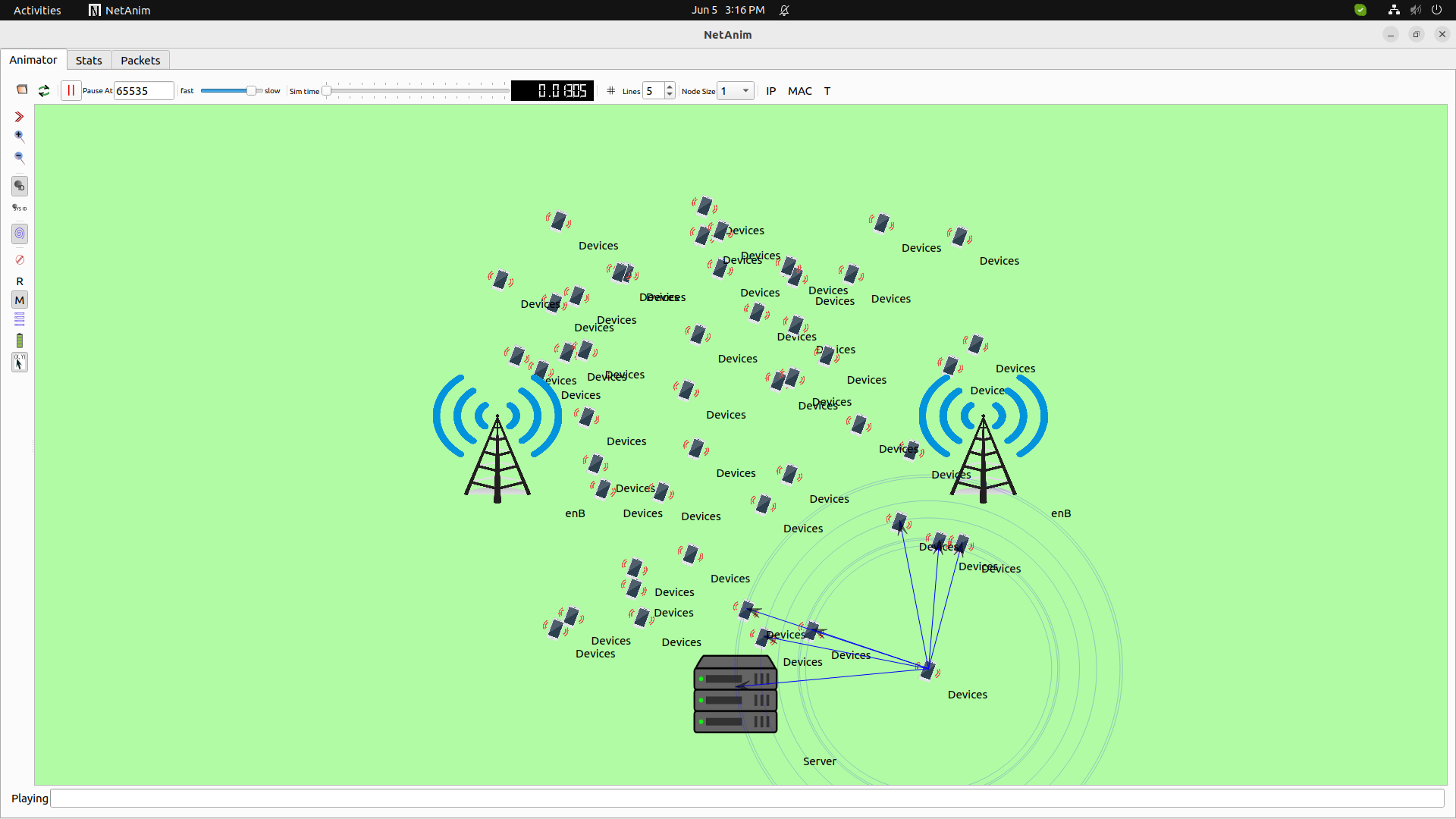
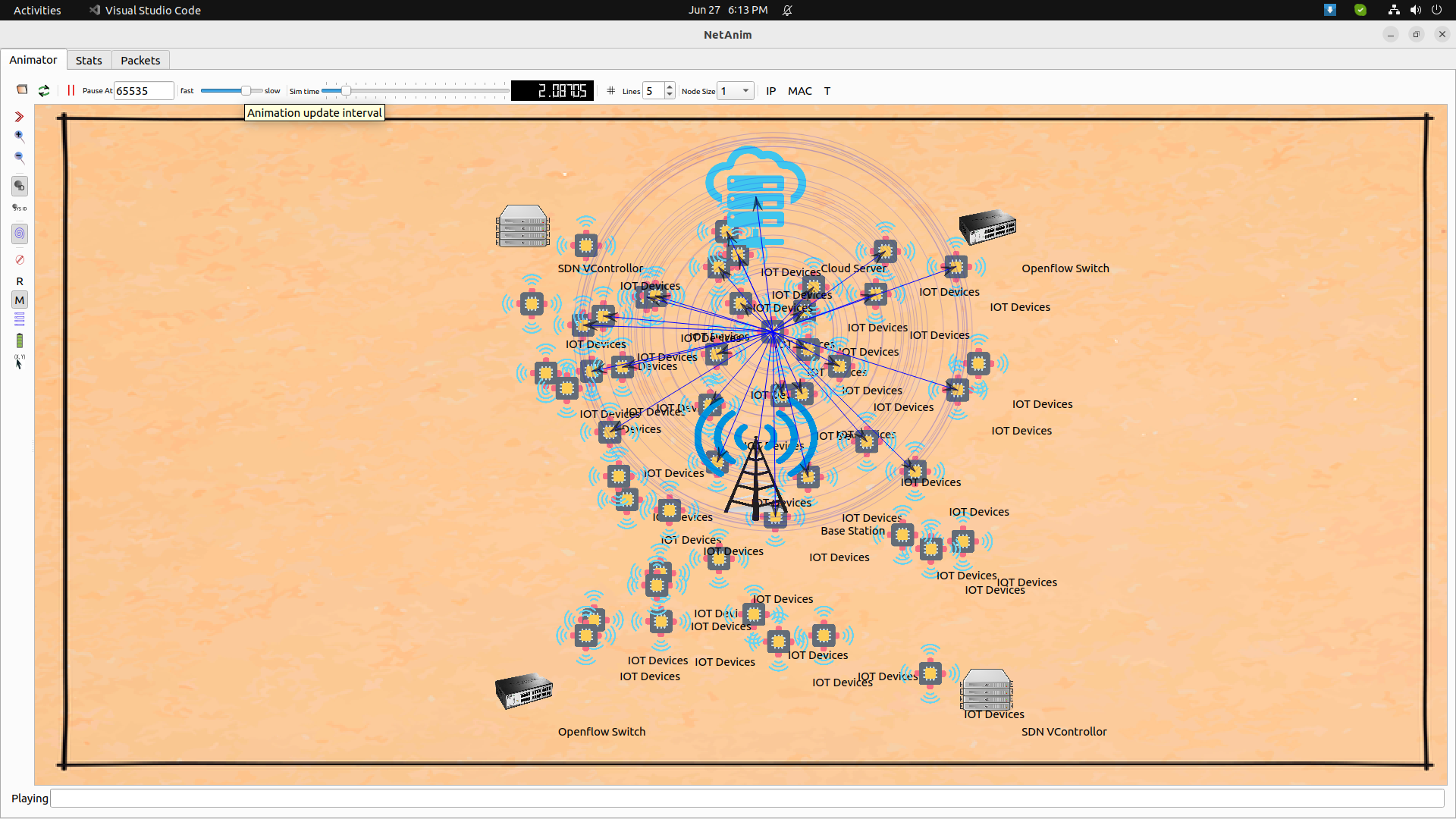
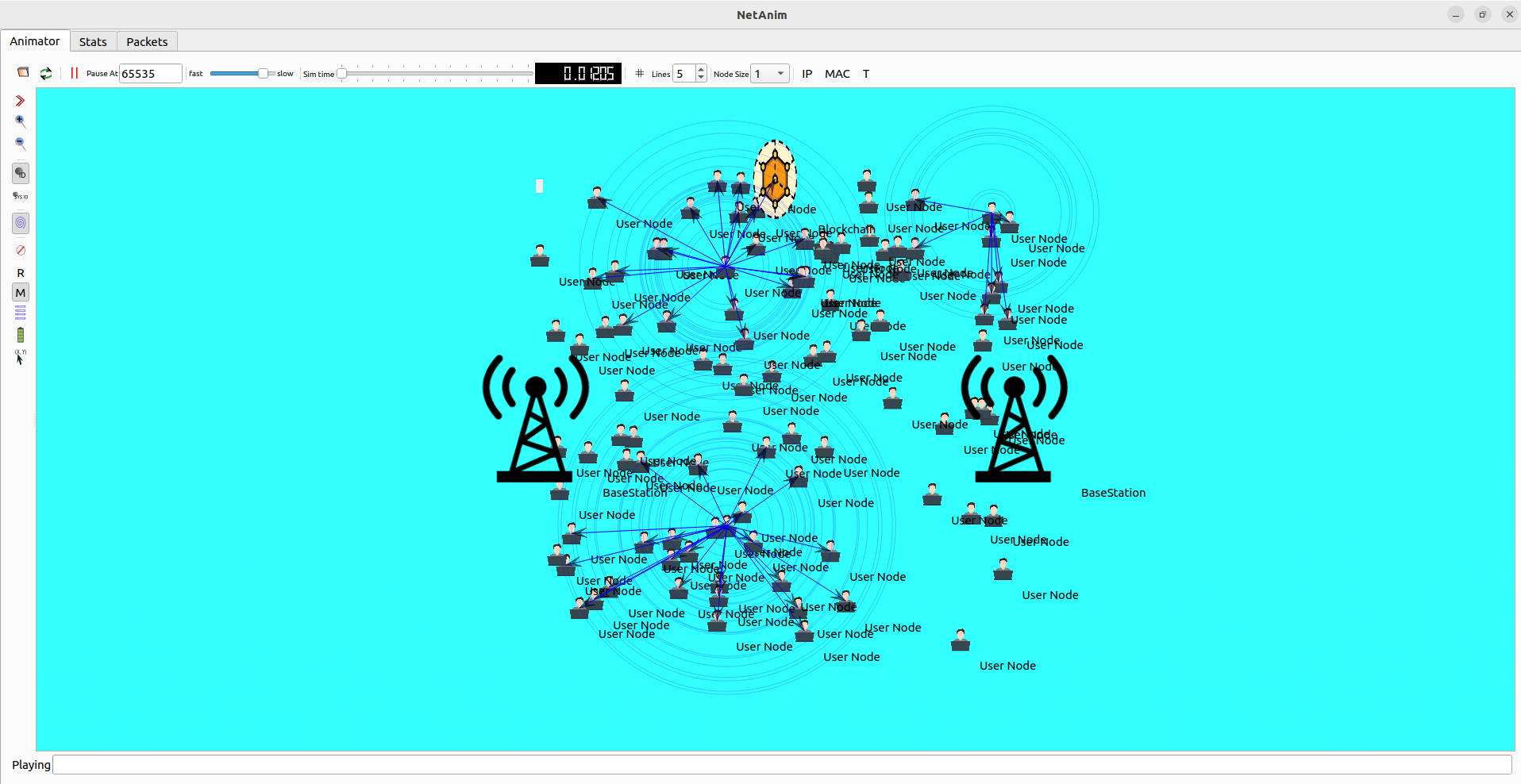
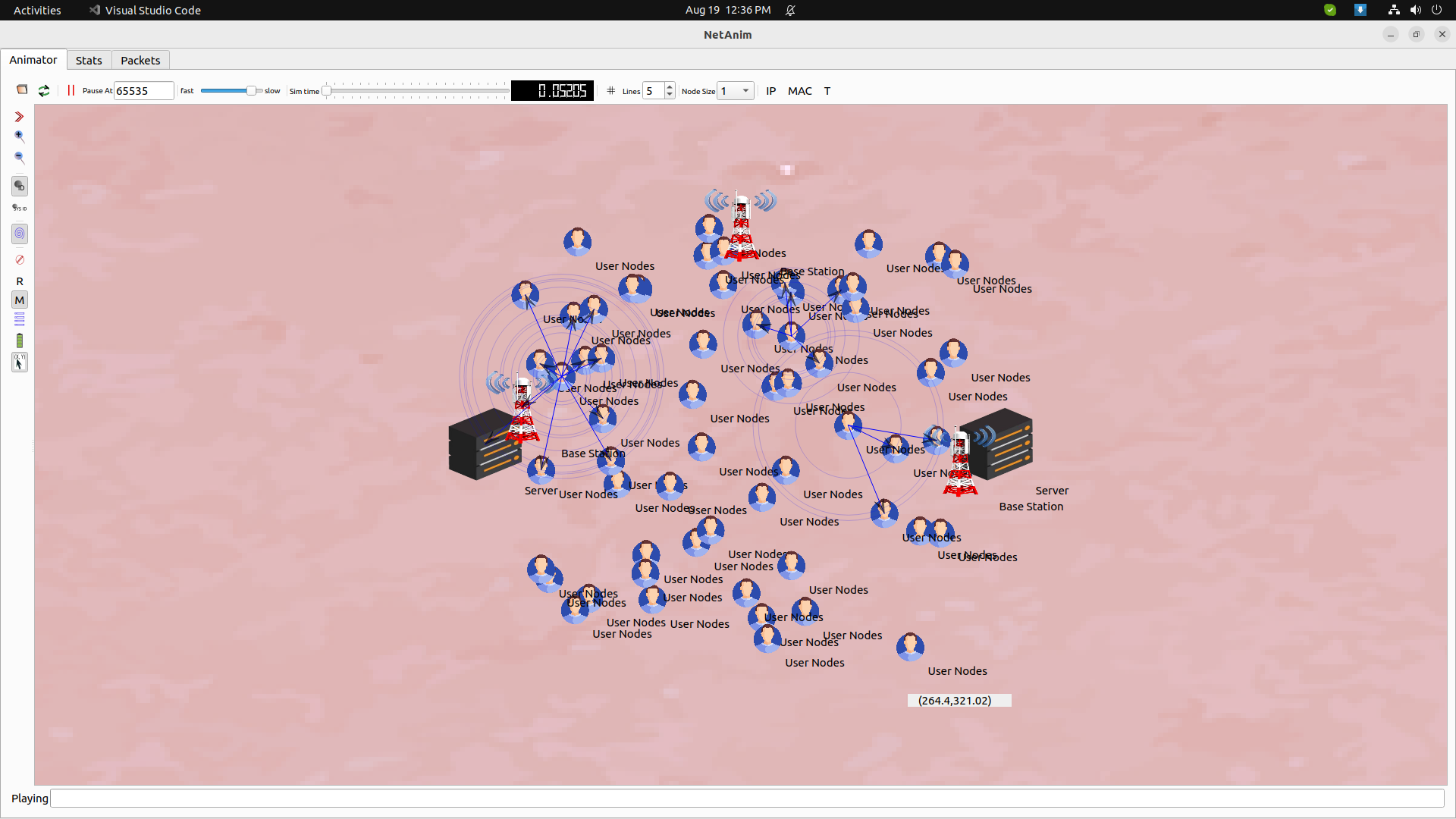
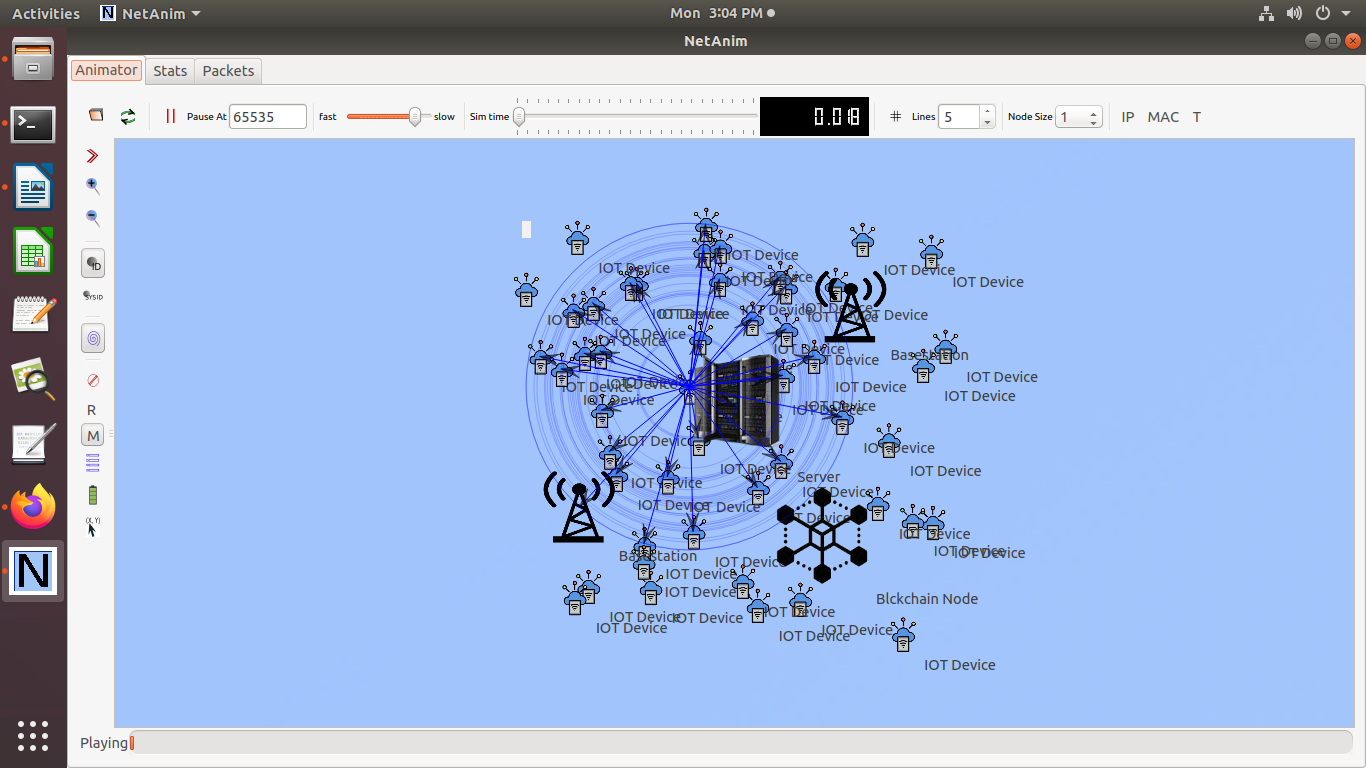
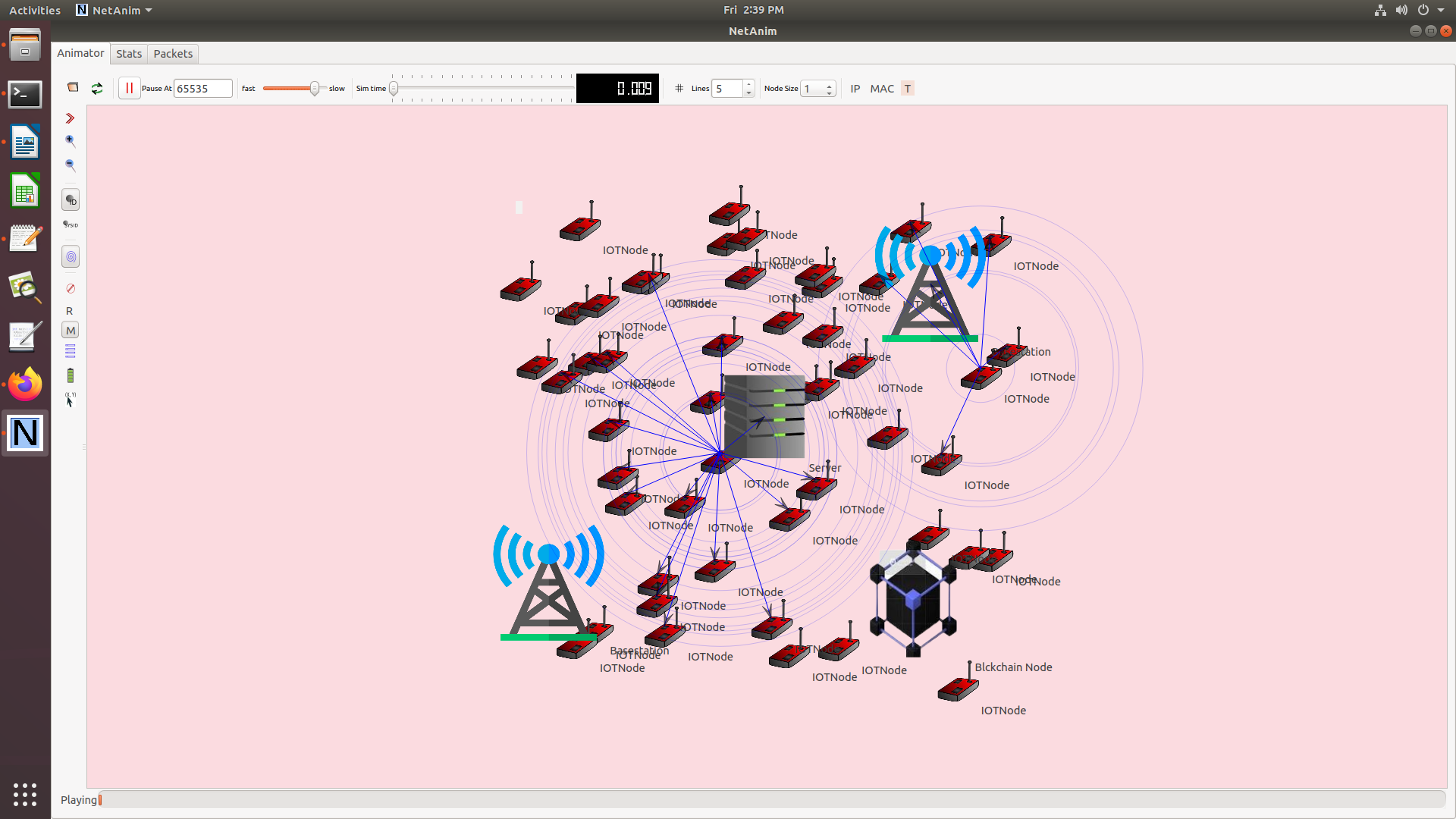
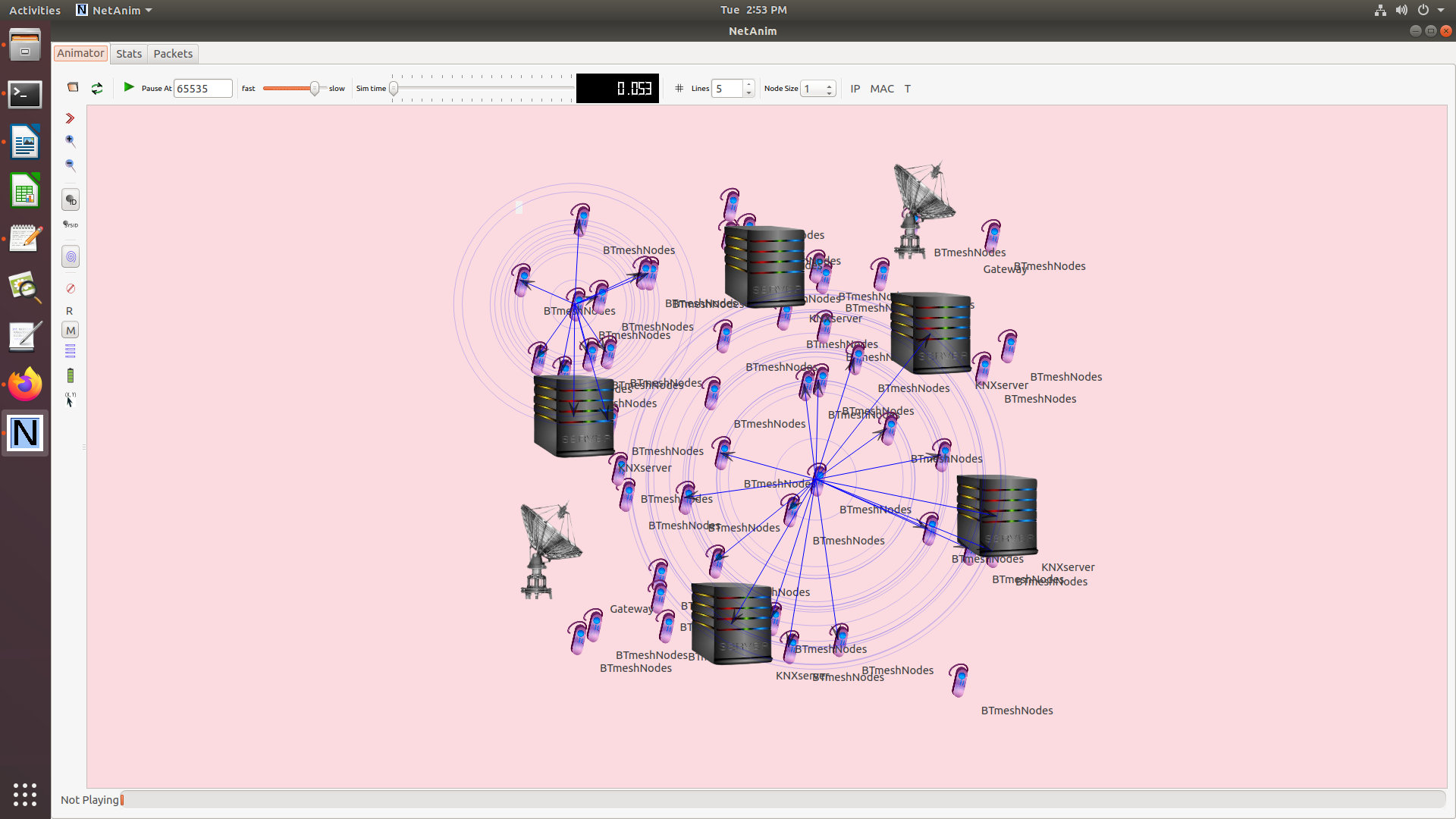
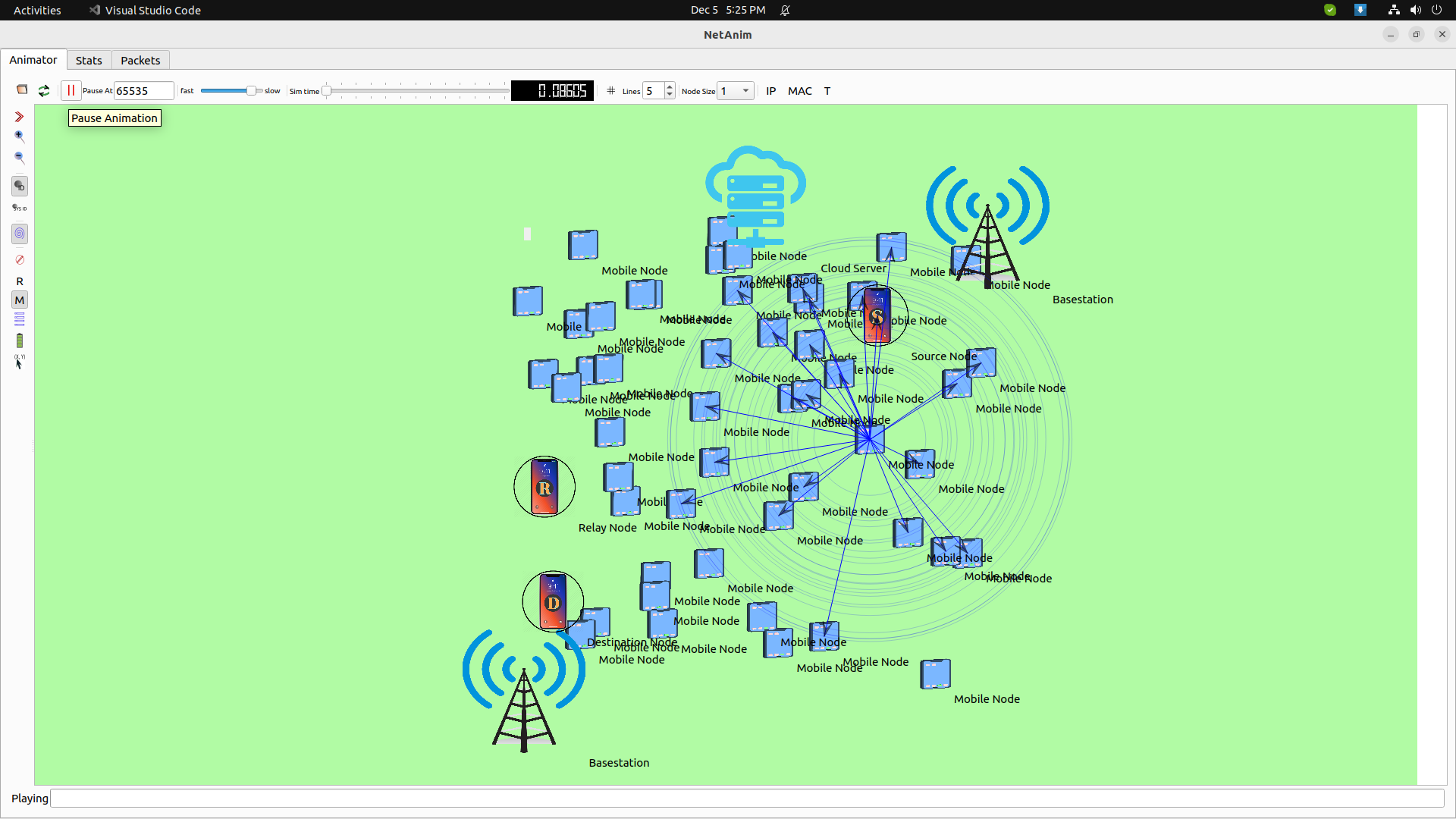
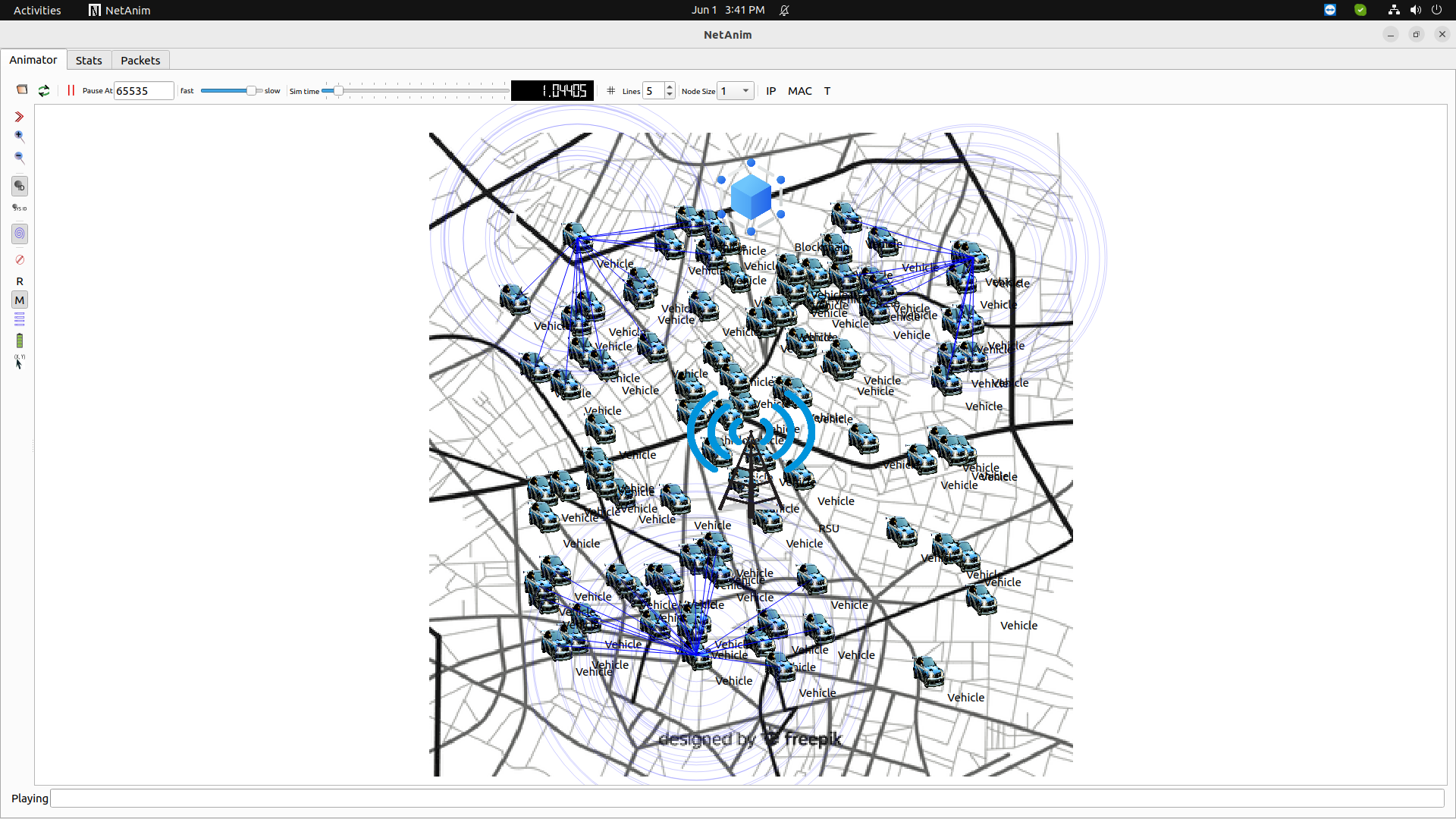
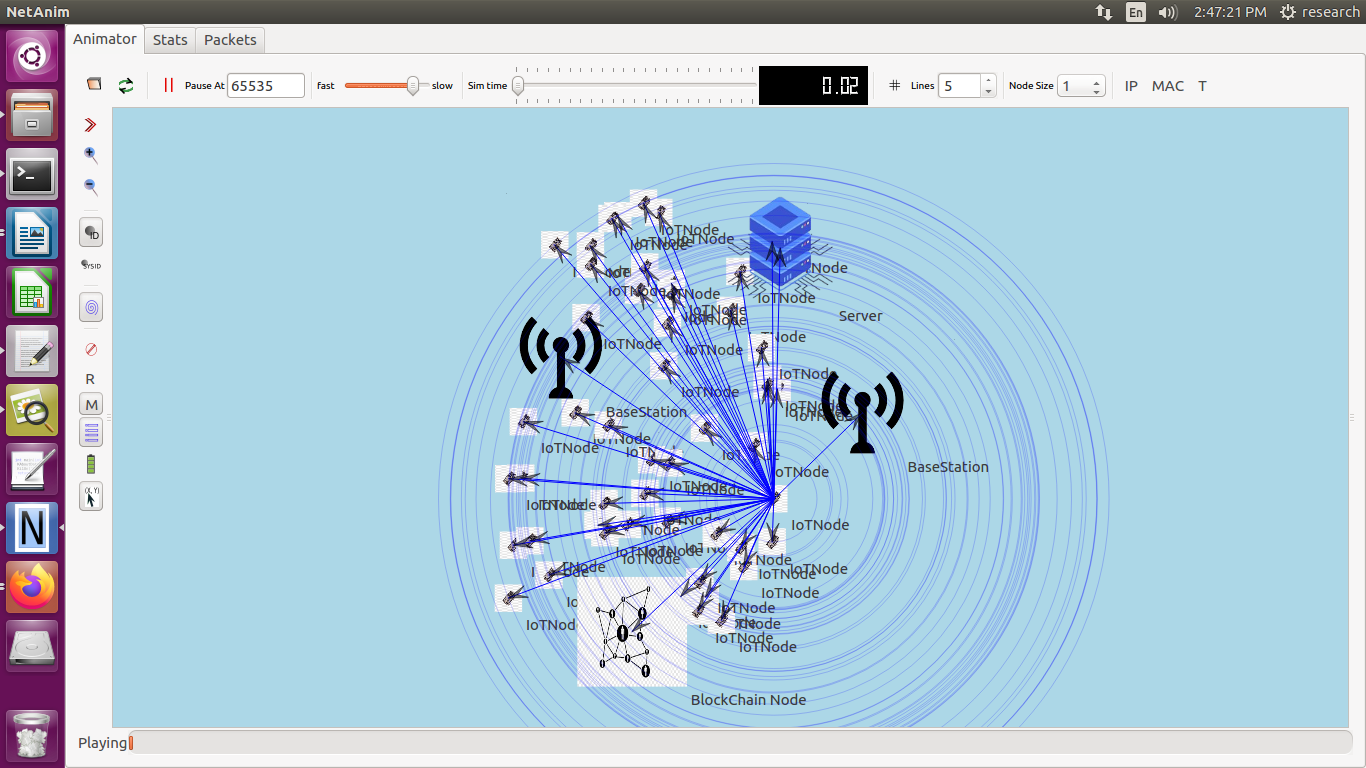
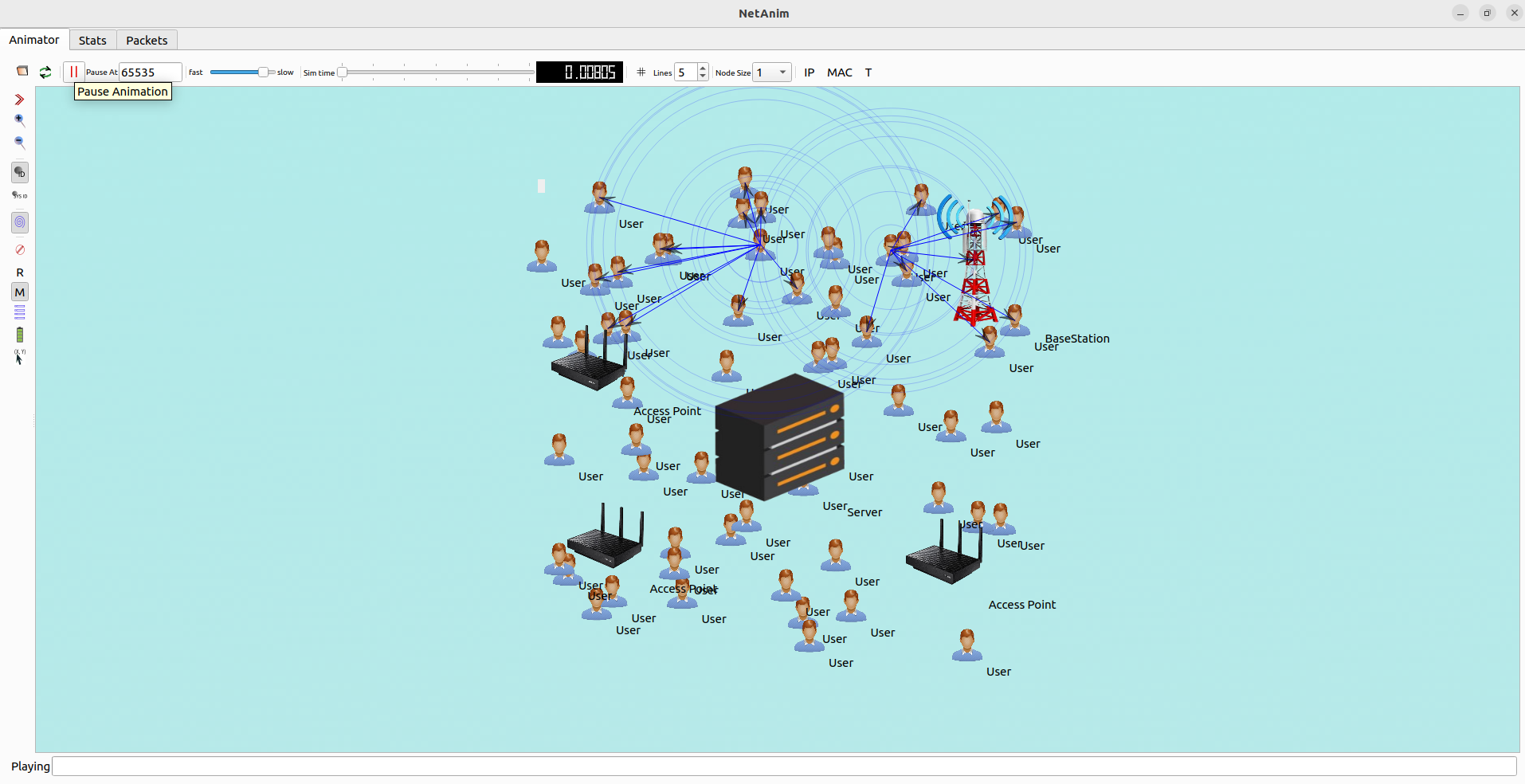
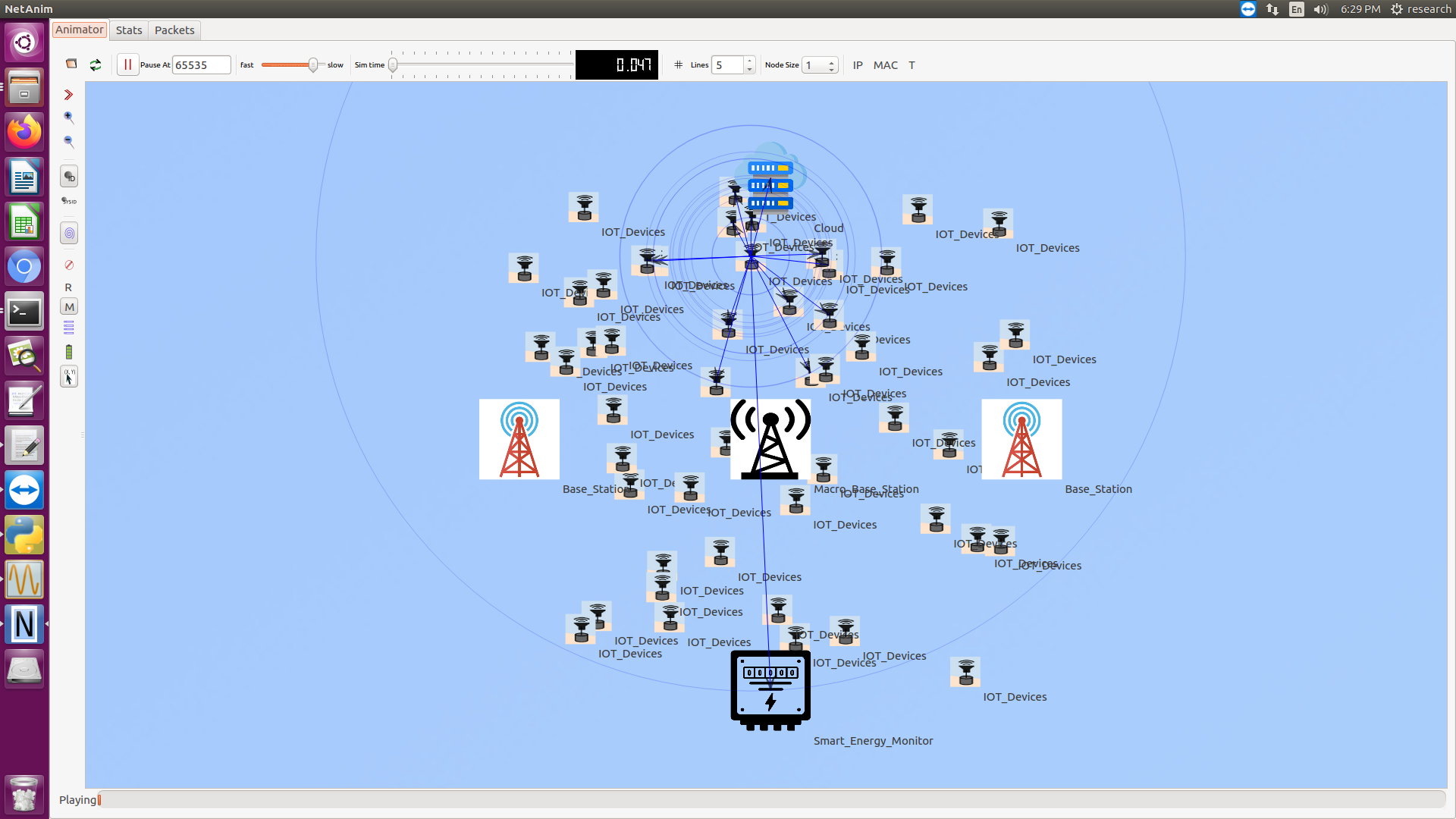
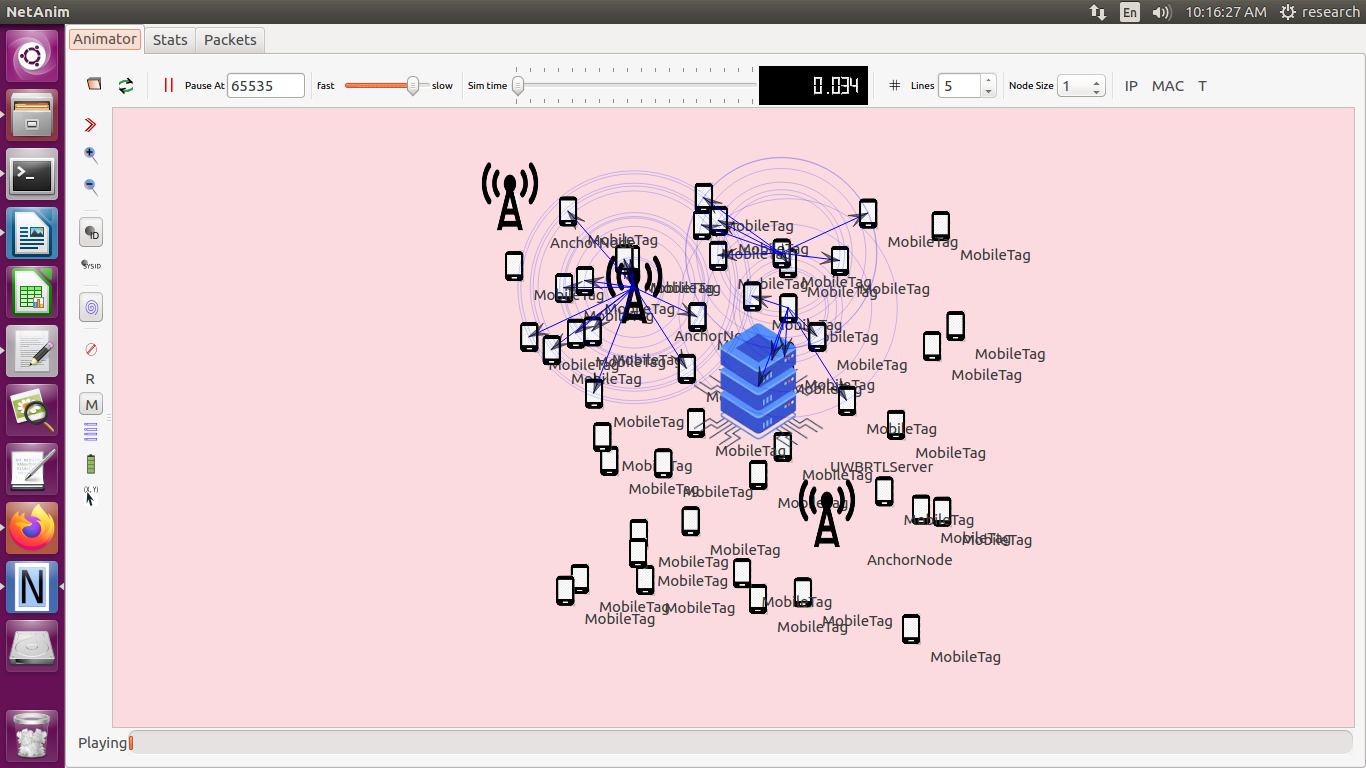
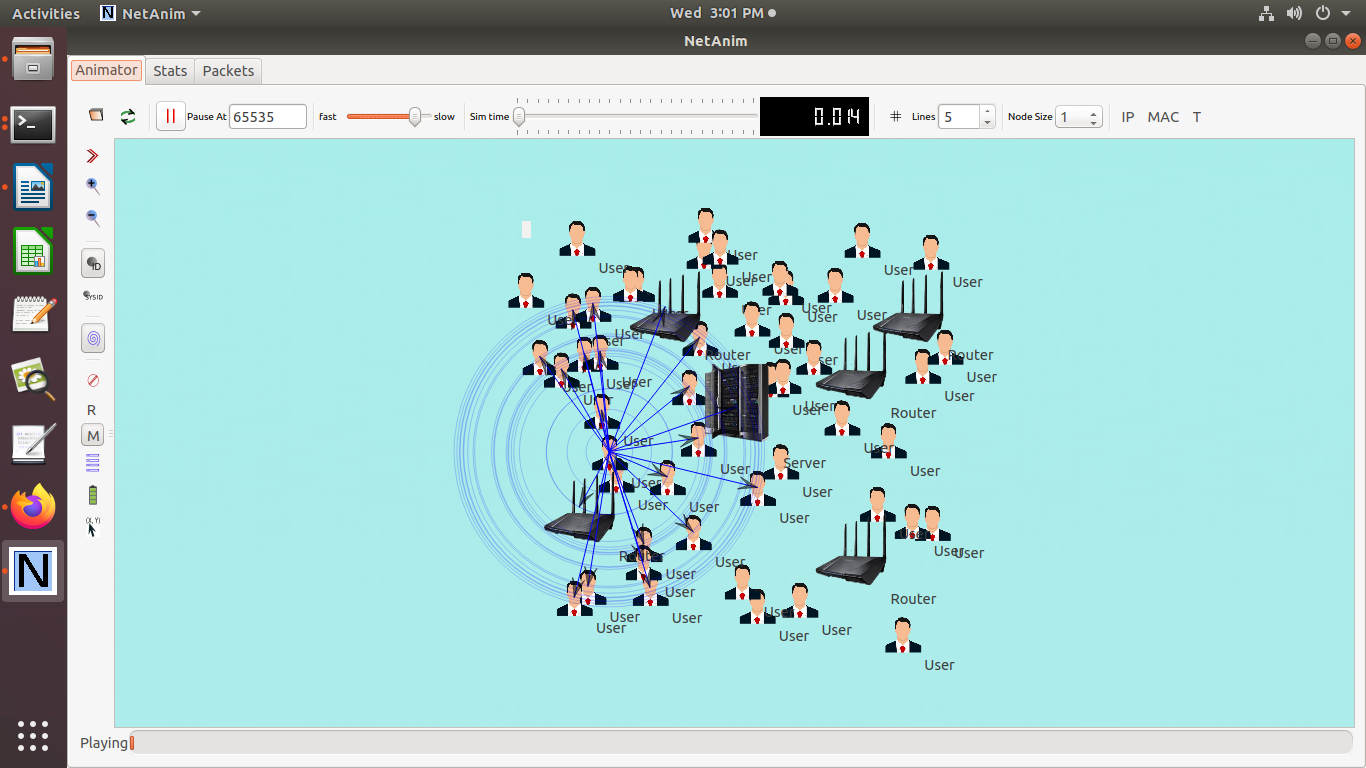
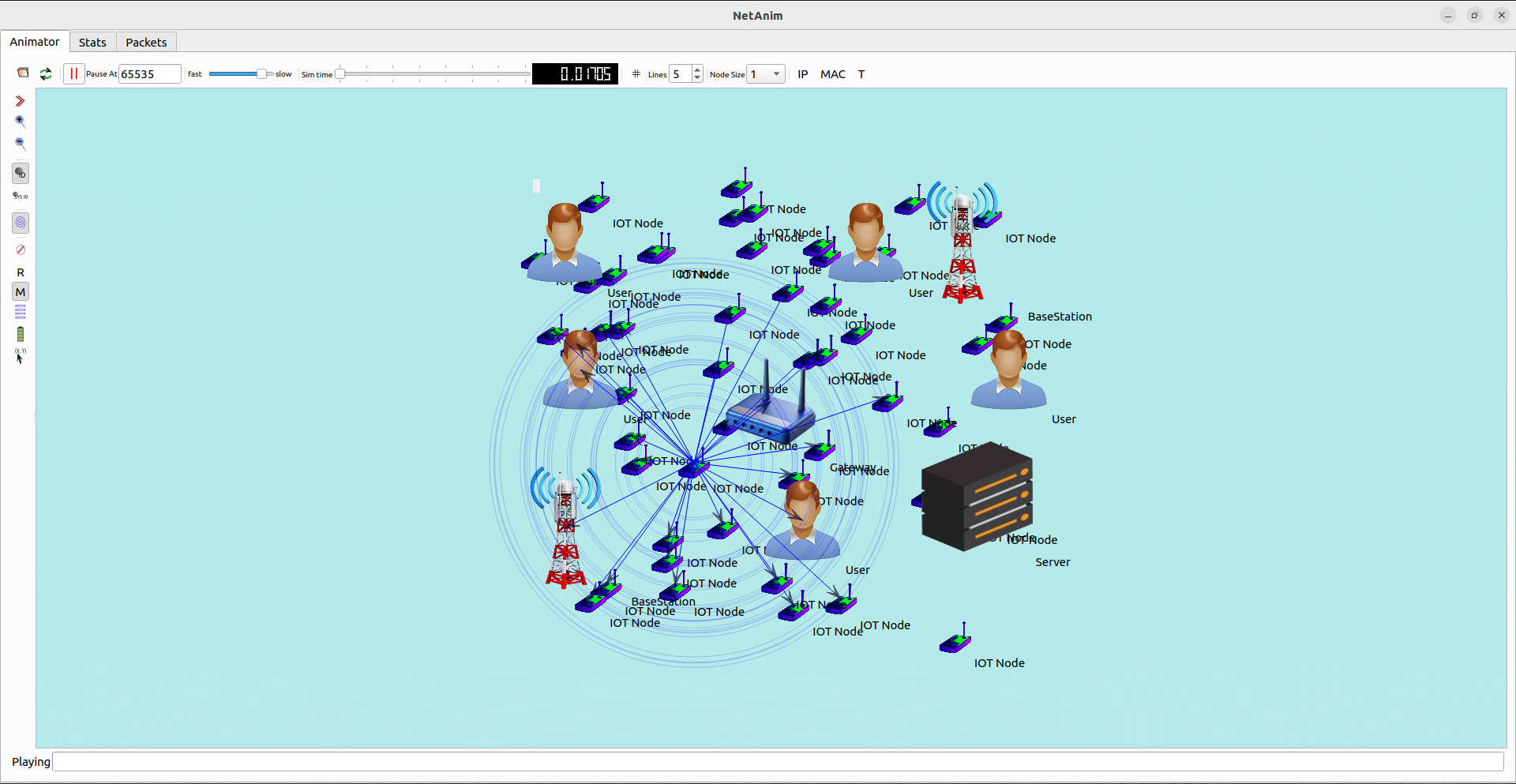
Step 1: Initially, we construct the network with 50 -IOT Devices and 1 – Server and 2- base stations and 1- Blockchain Node.
Step 2: Next,we perform the channel estimation process using first-order Gauss-Markov method and Minimum Mean Square Error (MMSE).
Step 3: Next, we classify the task using the Multilevel Feedback Queue (MFQ) method to improve the efficiency of resource allocation.
Step 4: Next, we optimize the allocating resources using Dynamic Collaborative Particle Swarm Offloading Optimization
(DC-PSOO).
step 5:Next , we implement a Multi-Layer Blockchain-enabled mechanism to transmit the data securely.
step 6: Next, we determine the power and efficiency using Lyapunov-based deep network energy optimization technique (LCDRO) algorithm and optimize resource allocation using the mobility-aware Deep Reinforcement Learning (DRL) method.
step 7:Next, we reduce overall transmission delay by using Mobile Edge Computing with Two-phase optimization method .
Step 8:Finally, we plot performance for the following metrics:
8.1 Number of tasks Vs. Mean square error (dB)
8.2 Number of tasks vs. latency (ms)
8.3:Number of tasks vs. Efficiency (%)
8.4 Number of tasks vs. Energy consumption (J)
8.5 Number of tasks Vs. Transmission delay (ms)
Software Requirements:
1. Development Tool: NS 3.26 or above Version with Python
2. Operating System: Ubuntu 16.04 LTS (64-bit) or Above
Note: –
1. We make a simulation based process only, not a real time process.
2. If the above plan does not satisfy your requirement, please provide the processing details, like the above step-by-step.
3. Please note that this implementation plan does not include any further steps after it is put into implementation.
4.if the above plan satisfies your requirement, please confirm us soon.
We perform the EXISTING Approach based on the Reference 5 Title:- Dynamic Computation Offloading with Deep Reinforcement Learning in Edge Network